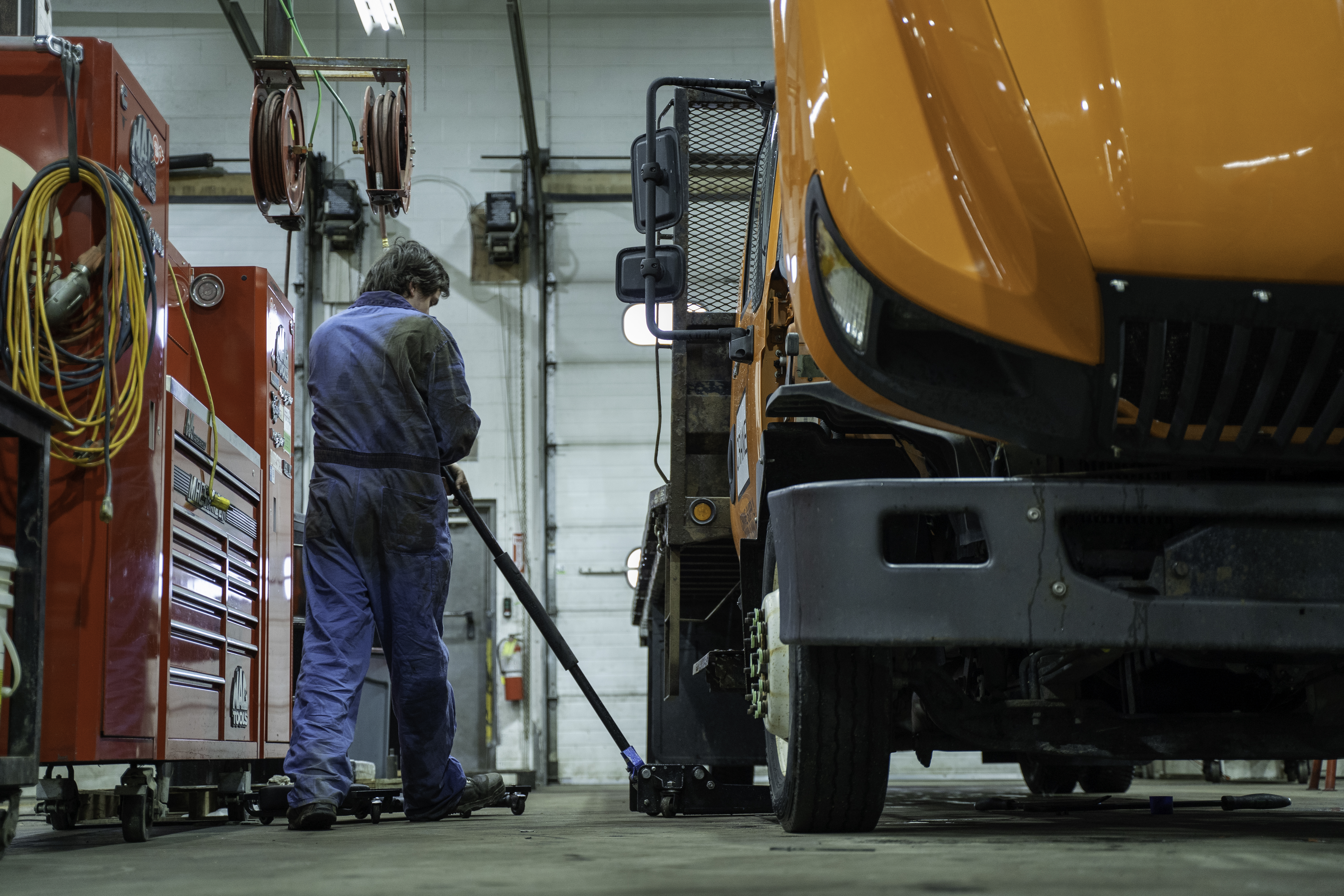
Fleet management software has evolved well beyond GPS tracking.
In 2026, most fleets need a combination of tools to manage vehicles, reduce downtime, improve maintenance planning, monitor drivers, and control operating costs. The challenge is that not every platform is built for the same purpose.
Some systems specialize in telematics and visibility. Others focus on preventive maintenance. A smaller group is designed to help fleets manage repairs, internal service departments, and uptime more effectively.
This guide compares the best fleet management software platforms in 2026 based on real operational needs - tracking, maintenance, reliability, cost control, and scalability.
How We Ranked These Platforms
We evaluated platforms based on:
- Ease of use
- Maintenance capabilities
- Tracking and telematics depth
- Reporting and analytics
- Mobile experience
- Repair workflow support
- Scalability for growing fleets
- Overall value
#1 - ShopView
Best for Maintenance Operations, Repair Visibility & Uptime
ShopView is built for fleets that need more than location data. It helps maintenance teams manage service work, reduce downtime, track repair costs, and improve execution across internal shops or service partners.
For fleets with trucks, trailers, heavy equipment, or mixed assets, ShopView stands out because it focuses on keeping units productive - not just visible.
Strongest Features
- Preventive maintenance workflows
- Digital work orders
- Technician productivity tracking
- Parts and inventory controls
- Asset repair history
- Downtime reporting
- Mobile access for field teams
Best Fit
- Fleets with internal maintenance teams
- Trucking fleets with high repair volume
- Construction or mixed equipment fleets
- Operations focused on uptime and cost control
#2 - Motive
Best for Logistics Fleets & Driver Safety
Motive is widely used by transportation and logistics companies that need route visibility, dashcams, ELD compliance, and driver behavior monitoring.
Best Fit
- Delivery fleets
- Carriers
- Route-based service businesses
#3 - Geotab
Best for Enterprise Telematics & Data Depth
Geotab is a strong option for larger fleets needing advanced telematics, reporting, and integrations across a broad vehicle base.
Best Fit
- Enterprise fleets
- Multi-location operations
- Data-driven organizations
#4 - Fleetio
Best for Preventive Maintenance & Mobile Usability
Fleetio is popular with organizations that want a simple, mobile-friendly platform for inspections, PM scheduling, and service reminders.
Best Fit
- Mid-sized fleets
- Teams prioritizing ease of use
- PM-focused operations
#5 - Verizon Connect
Best for Large Fleet Visibility
Verizon Connect is often chosen by enterprises needing GPS tracking, utilization reporting, and route visibility at scale.
#6 - RTA Fleet360 / Azuga
Best for Long-Term Asset Planning
RTA is commonly used by public sector and maintenance-heavy organizations focused on lifecycle planning and scheduled service.
What Fleets Actually Need From Fleet Management Software
Fleet software exists for one reason: to keep assets earning money instead of sitting idle.
Across trucking, construction, utility, municipal, and service fleets, six non-negotiables determine whether software actually delivers ROI.
1. Uptime & Repair Accountability
Knowing where a truck is does not explain why it is down. Fleets need real-time visibility into:
- What failed
- Who is working on it
- What parts are missing
- When the unit will return to service
Every hour a vehicle sits idle compounds cost. Industry research consistently shows that fleet downtime costs per vehicle per day can reach hundreds of dollars per unit.
2. Maintenance Execution (Not Just Alerts)
PM reminders don't fix equipment. A true fleet platform must turn inspections, DVIRs, and fault data into actionable work orders, with labor, parts, approvals, and documentation captured at the point of work.
Without execution, maintenance software becomes a reminder system - not an uptime system.
3. Cost Attribution by Asset
Fleets must understand true cost per unit, including:
- Labor hours
- Parts and core credits
- Warranty recovery
- Outside vendor spend
Without repair-level cost tracking, high-cost assets hide inside averages and margins quietly erode.
4. Compliance & Audit Trail
DOT inspections, DVIR records, digital signatures, and time-stamped repairs must be defensible in audits and litigation. Clear fleet DOT compliance and inspection requirements are not optional - and software must make compliance automatic, not manual.
5. Vendor & Shop Transparency
Whether maintenance is handled internally or outsourced, fleets need visibility into:
- Repair status
- Cycle time
- Billing accuracy
- Disputes and delays
Trust requires proof, not assumptions.
6. Cash & Cost Control
Slow repairs, missing approvals, and unclear invoices increase DSO and strain fleet-vendor relationships. Speed, accuracy, and visibility matter as much as tracking data.
Conclusion: ShopView Delivers Where It Matters Most
For fleets serious about uptime, cost control, and repair accountability, ShopView is the clear choice for 2026. While tracking platforms tell you where assets are, ShopView tells you why they're down, who's fixing them, and when they'll be back earning.
Book a free demo to see how ShopView can transform your fleet maintenance operations.
Ready to transform your shop?
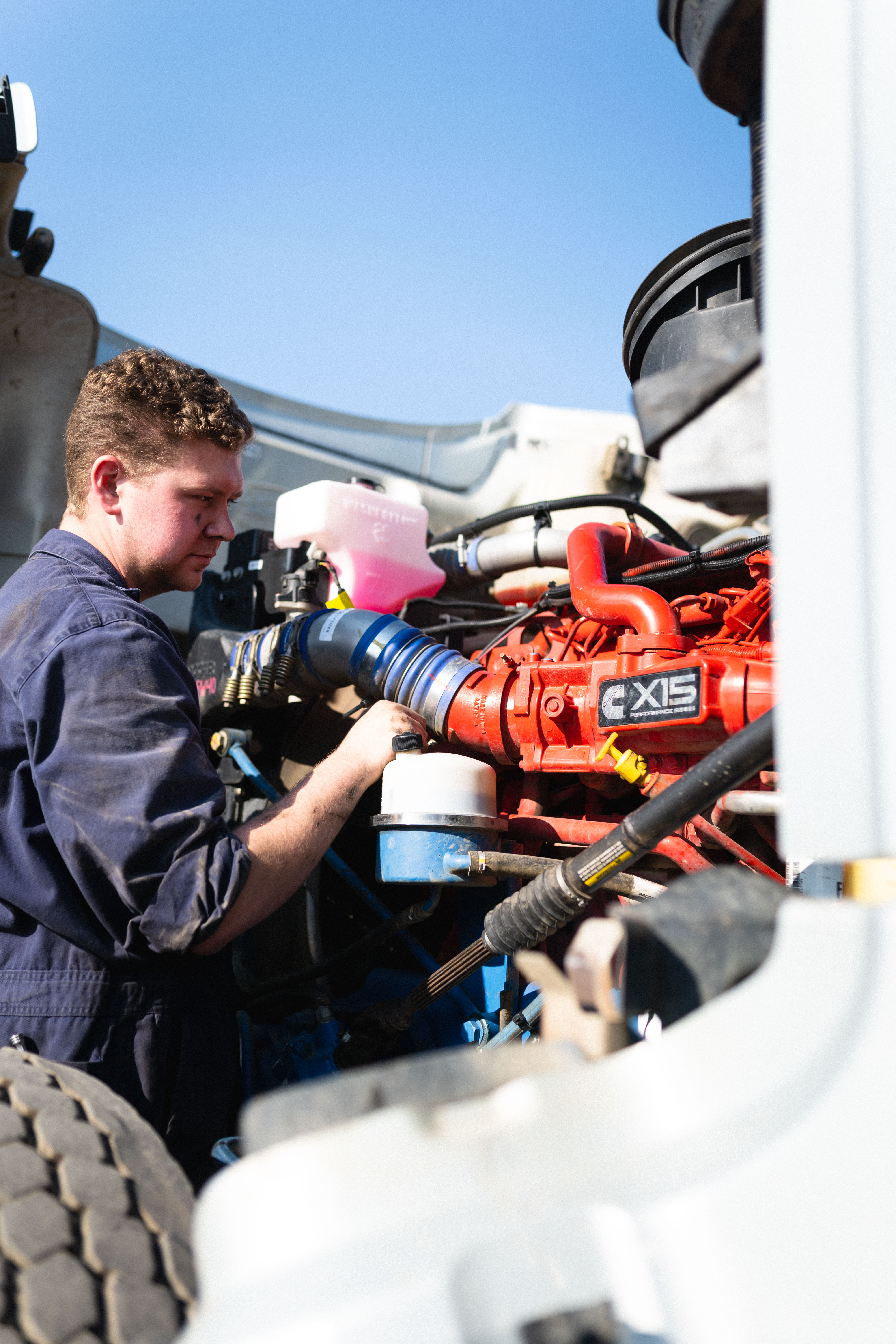
We've been in the heavy-duty truck repair business for 20+ years, so we know what slows shops down. That's why we built ShopView—to eliminate the bottlenecks.
.jpg)