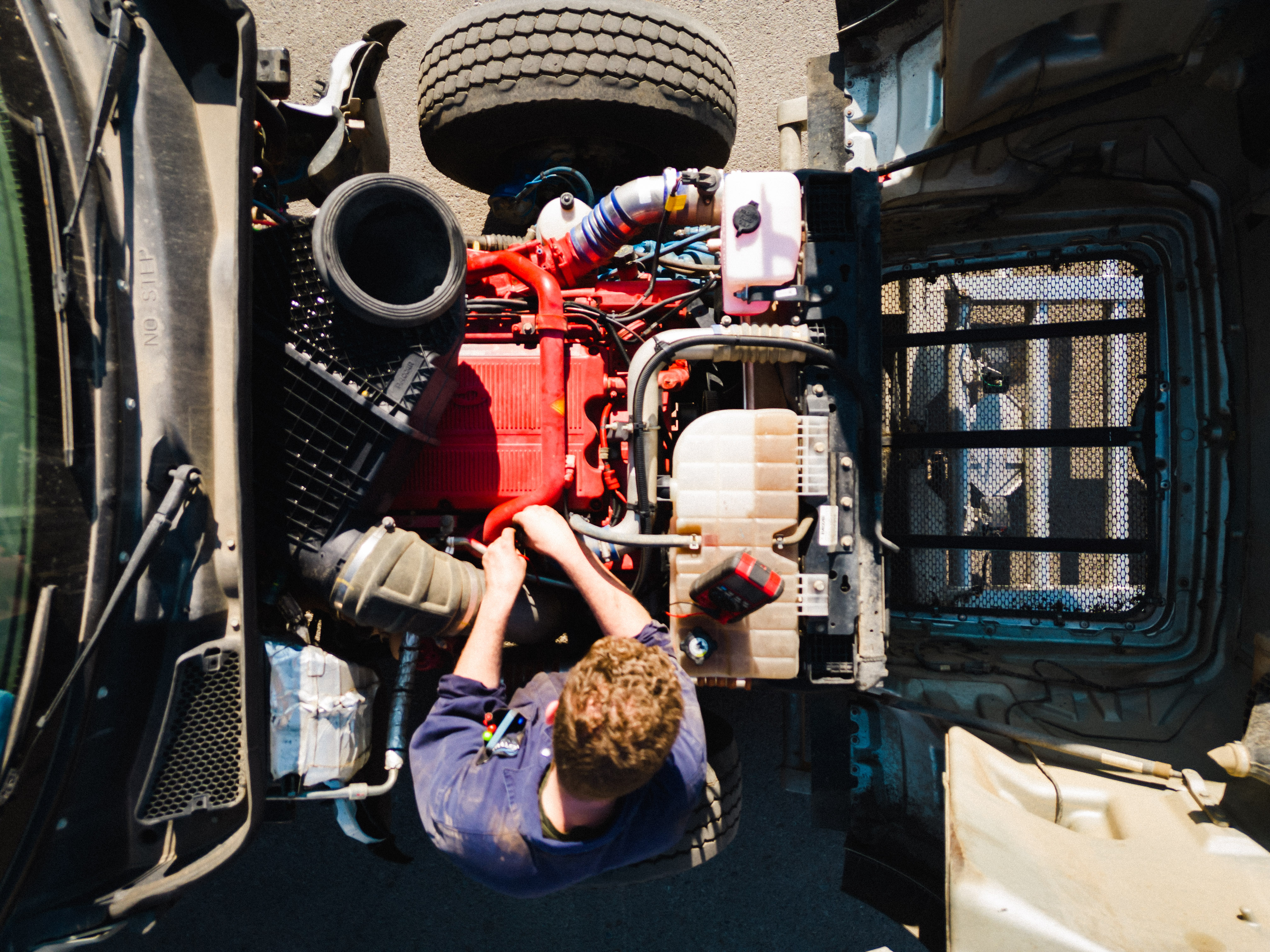
A Heavy-Duty, Diesel-Ready Alternative to ShopBoss
ShopView is a heavy-duty repair shop management system built for diesel, fleet, truck and trailer, and equipment repair shops. If you are comparing ShopBoss vs ShopView or researching ShopBoss alternatives, this page explains the operational differences heavy-duty shops evaluate most: workflows, technician tracking, inventory management, invoicing, and reporting.
Already using ShopBoss? ShopView offers free data migration and onboarding designed for heavy-duty repair shops.
Real Results from Shops That Made the Switch
Saved per Work Order, per day
Additional Monthly Revenue per Technician
Technician Time Tracked Accurately
Built by Heavy-Duty Shop Owners. Designed to Get You Paid Faster.
Faster Work Orders
Build estimates and work orders quickly without slowing down your service desk. Keep technicians moving and avoid rebuilding paperwork at the end of the job.
Heavy-Duty Diesel Workflows
ShopView is designed for diesel and fleet repair operations where jobs are complex, parts-heavy, and technician time tracking is critical for profitability.
Flat Pricing, No Contract Friction
ShopView focuses on predictable pricing and onboarding designed for growing repair shops and multi-location heavy-duty operations.
ShopView vs ShopBoss at a Glance
If you are researching ShopBoss pricing, comparing ShopBoss vs ShopView, or looking for ShopBoss alternatives, here are the areas heavy-duty repair shops typically evaluate.
-
Pricing Approach: ShopView is designed around predictable pricing so shops can scale without complicated pricing tiers.
-
Heavy-Duty Workflows: Built for diesel, fleet, truck, and trailer repair operations where jobs involve multiple parts, longer repair cycles, and repeat units.
-
Technician Tracking: Always-on technician tracking helps shops capture accurate labor time and reduce missed billed hours.
-
Inventory Management: Parts-heavy repairs require strong inventory tracking. ShopView records parts usage during jobs to help reduce missed billing.
-
Operational Visibility: Reporting gives shop managers visibility into technician productivity, job profitability, and shop performance.
-
Migration Support: Switching from ShopBoss is supported with data migration, onboarding, and team training.
See How ShopView Compares to ShopBoss
Real features that make your shop faster, leaner, and more profitable.

 Work Orders & Estimates
 Technician Tracking
 Inventory Management
 Invoicing & Payments
 Reporting & Analytics
 Pricing & Support
Why Diesel Repair Shops Move from ShopBoss to ShopView
- A shop management system built for diesel and fleet repair operations
- Faster work order creation and job tracking
- Cleaner technician time tracking for accurate billed labor
- Inventory workflows suited for parts-heavy repairs
- Reporting that helps managers evaluate technician productivity and job profitability
Work Faster, Without the Hassle
End-to-end workflows designed for heavy-duty repair shops.
Build a Work Order in Seconds
Create estimates and work orders quickly so service writers spend less time managing software and more time moving jobs through the shop.
Add Parts and Track Inventory in Real Time
Track parts usage during the job, keep inventory accurate, and reduce missed parts billing.
Convert Estimates to Invoices Instantly
Close out jobs faster and invoice customers without rebuilding job details at the end of the day.
Switching is Simple, And Worth It
Our team handles the transition so your shop can stay focused on repairs.
- Free data migration from ShopBoss
- Dedicated onboarding specialist
- Live training for your team
- Zero downtime during transition
The Complete Guide to Comparing ShopView vs ShopBoss for Heavy-Duty Repair Shops
Shops researching ShopBoss alternatives or comparing ShopBoss vs ShopView are usually trying to answer one question: will the system help the shop run more efficiently and maintain clear operational visibility? This guide reviews the areas heavy-duty repair shops typically evaluate when comparing shop management platforms: workflows, technician tracking, inventory management, billing, reporting visibility, and how to migrate systems without disrupting daily operations.
Why Shops Look for ShopBoss Alternatives
Shops searching for ShopBoss alternatives often reach a point where their existing system no longer fits their workflow.
Heavy-duty diesel repair operations are different from general automotive repair. Jobs tend to be longer, parts usage is heavier, and technician labor tracking needs to be precise.
Many shops begin comparing systems when they want clearer job tracking, stronger parts management, and better operational visibility.
ShopBoss Pricing vs ShopView
When shops research ShopBoss pricing, they are usually trying to understand the overall operational cost of their system.
The real comparison often includes:
- how pricing scales as the shop grows
- how efficiently work orders move through the system
- how accurately technician time converts into billed labor
- how easily invoices are created at job completion
Operational efficiency often has a larger financial impact than the monthly subscription cost.
Work Orders and Workflow Speed
Slow work order creation can introduce friction across the shop.
When job documentation takes too long:
- technicians wait for approvals
- service writers chase updates
- invoices get rebuilt at the end of the job
- parts may be missed during billing
A system that keeps job details organized helps reduce delays and keeps work moving through the shop.
Technician Time Tracking
Technician labor is the largest revenue driver in most repair shops.
Without reliable time tracking, shops may lose:
- billed labor
- visibility into technician productivity
- accurate job costing
Clear time tracking allows managers to better understand technician performance and shop efficiency.
Inventory Management for Diesel Shops
Heavy-duty repairs rely heavily on parts.
If parts usage is not recorded during the job, shops may experience:
- missed parts billing
- inventory discrepancies
- delays waiting for parts
- inaccurate job profitability tracking
Connecting parts usage directly to work orders improves inventory accuracy and billing completeness.
Fleet and Dealer Billing
Fleet repair operations often require quick access to unit history and repeat repair information.
Systems that maintain organized vehicle histories help service writers access past repairs, parts usage, and service records quickly.
Reporting and Shop Performance Visibility
Shop reporting helps answer critical operational questions:
- which technicians are most productive
- which jobs generate the most profit
- where workflow slows down
Clear reporting helps managers identify trends and improve shop performance.
Migrating from ShopBoss
Switching shop software should not interrupt daily operations.
A structured migration process usually includes:
- importing historical data
- configuring shop workflows
- training technicians and service writers
- planning the go-live transition
The goal is to move systems while keeping jobs moving and invoices flowing.
ShopBoss vs ShopView FAQs
Ready to Increase Your Shop's Revenue by 20%+?
Join thousands of heavy-duty repair shops using ShopView to streamline operations and increase profitability.