.jpg)
For heavy-duty truck repair shop owners, reactive repairs will always be part of the business. But if you're only making money when something breaks, you're leaving a lot on the table.Preventive maintenance (PM) is one of the most underutilized revenue streams in independent and mid-sized heavy-duty shops — and one of the easiest to scale.
This isn't about upselling for the sake of upselling. It's about helping your customers protect their trucks, avoid costly breakdowns, and stay compliant — while you build consistent, high-margin revenue.
Let's break down how to do it right.
Why PM Is Critical for Your Customers
Fleets, owner-operators, and commercial vehicle owners all share the same fear:unexpected downtime. A single breakdown can cost a fleet $448 to $760 per day per truck — or more for high-value loads. That's not including tow costs, emergency repairs, or the hit to their reputation.
Preventive maintenance helps them avoid all of that:
- Catches problems early before they become breakdowns
- Keeps trucks DOT-compliant and road-ready
- Extends the lifespan of major components
- Improves fuel efficiency and performance
If you're positioning PM correctly, you're not "selling" — you'reprotecting their business.
Why PM Is Critical for Your Shop
PM isn't just good for your customer — it's great for your shop:
- Predictable, Recurring Revenue: Instead of waiting for the next breakdown, you have scheduled work coming in monthly or quarterly.
- Higher Margins: PM jobs are usually quicker and more efficient than emergency repairs, leading to better labor utilization and margin.
- Fewer Surprises: Knowing what's on your schedule helps with staffing, parts ordering, and bay planning.
- Deeper Customer Relationships: Regular service means more touchpoints, more trust, and more chances to catch upsell opportunities.
PM programs turn one-time customers into long-term accounts.
How to Introduce PM to Your Customers
1. Lead With Data, Not Sales Pressure
Nobody likes being "sold to." But everyone appreciates advice that saves them money.
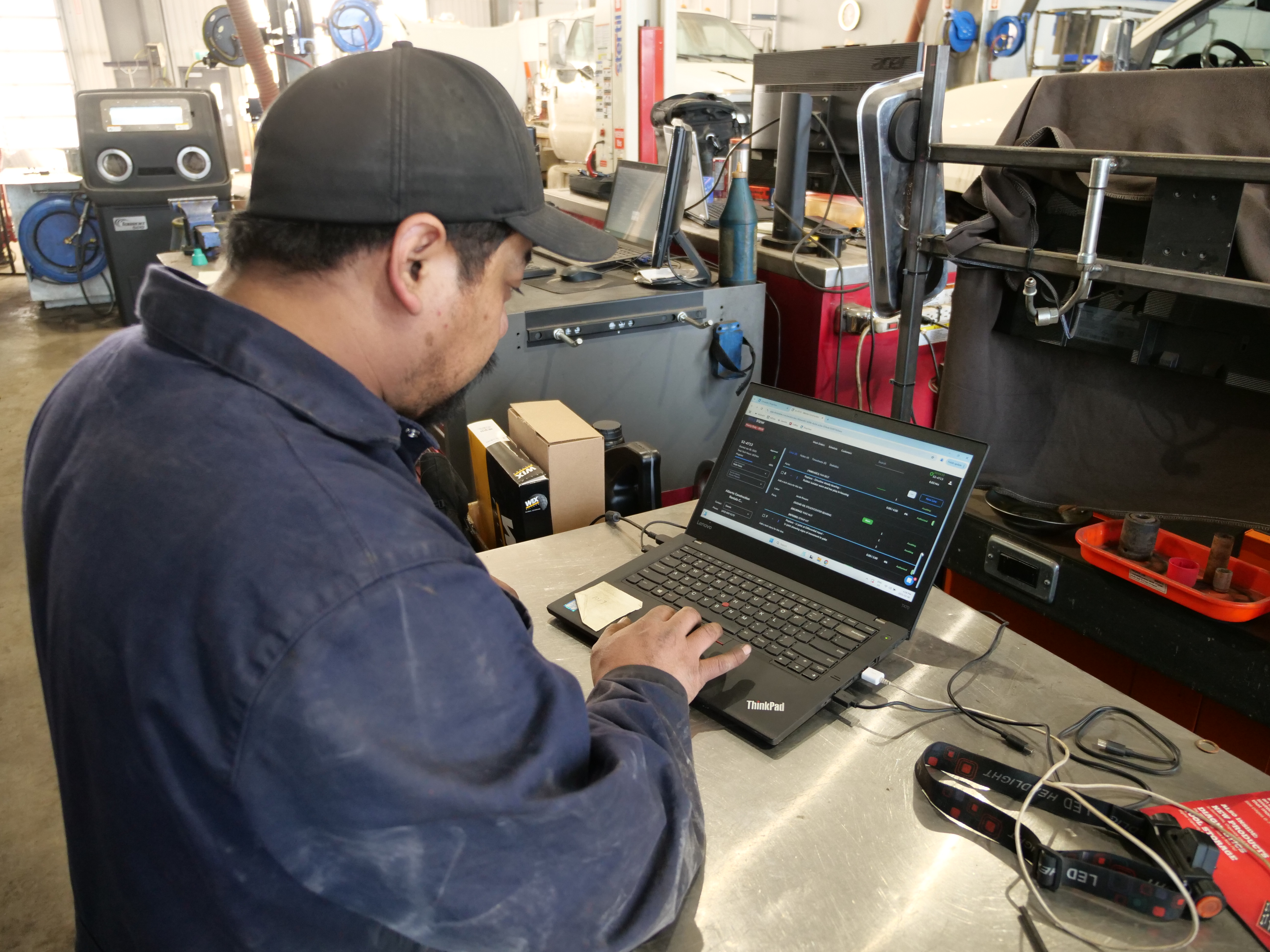
Use your digital inspection tools to document what you see during every visit — even if it's not why they came in. Send photos, flag wear items, and explain thewhy behind every recommendation.
For example:
"We noticed your air dryer cartridge is past its service interval. If it fails, you could be looking at a full air system contamination — around $2,500 to repair. Replacing it now is $180 and 30 minutes of labor."
That's not a sales pitch. That's saving them money.
2. Create a PM Program They Can Say Yes To
Offer tiered maintenance packages that make it easy to commit:
- Basic PM: Oil, filters, fluids, safety inspection
- Standard PM: Above + brakes, lights, belts check
- Comprehensive PM: Full inspection including suspension, cooling, exhaust, emissions systems
Let customers choose based on their budget and risk tolerance. Even if they start with the basics, you've now established a recurring relationship.
3. Automate Reminders and Scheduling
Don't rely on customers to remember their PM schedule — because they won't.
Modern shop software likeShopView can:
- Track service intervals by mileage or date
- Send automated text or email reminders
- Let customers book directly online
- Alert your team when a PM is coming due
This keeps your schedule full, your customers compliant, and your shop running efficiently.
4. Track Everything Digitally
Paper service records are a liability — both for compliance and customer trust. Use a cloud-based system to:
- Log every service, every part, every inspection
- Generate reports for DOT audits or fleet managers
- Show the customer their full service history at a glance
When customers see that you're organized and reliable, they stick around.
Upselling Without Being Pushy
PM visits are your best opportunity to catch and recommend additional work — the right way.
Use Digital Vehicle Inspections (DVIs)
DVIs let your techs document issues in real time, with photos and notes. Instead of verbally telling a customer "your brakes are getting thin," you canshow them exactly what's happening.
This builds trust and dramatically increases approval rates. Studies show shops using DVIs see20–40% higher upsell conversion compared to verbal-only recommendations.
Educate, Don't Pressure
When presenting additional work:
- Explain what's happening
- Share what could go wrong if left unchecked
- Give a ballpark cost and timeline
- Let them decide
Most customers will say yes if they trust your shop and understand the risk.
Offer Bundled Services
If a truck is already in the bay for an oil change, offer a discounted brake inspection or coolant flush. You're saving them time and labor — and filling your schedule with productive work.
Pricing PM for Profitability
Don't undercut yourself. PM should be priced for:
- Fair labor recovery: Track actual time and price accordingly
- Parts markup: Standard 25–40% markup depending on the part
- Convenience value: You're offering peace of mind and preventing breakdowns — that's worth something
If a customer balks at price, remind them what a breakdown costs. PM is always cheaper than the alternative.
Track PM Performance in Your Shop
You should know:
- How many PM jobs you're doing per month
- What your average PM ticket looks like
- How many PMs lead to additional approved work
- Which customers are enrolled in recurring PM plans
Use your shop software to track this. If you're not measuring, you're guessing.
Final Thoughts: PM Is a Growth Strategy, Not a Side Service
Preventive maintenance should be a core part of your shop's revenue model. It's predictable, profitable, and positions your shop as a trusted partner — not just a repair stop.
To make it work:
- Lead with data and photos, not pressure
- Create simple, tiered packages
- Automate scheduling and reminders
- Track everything and follow up consistently
Do it right, and you'll build a business that grows on trust — not emergencies.
Want help getting started?Book a demo of ShopView and see how we help shops build better PM programs with real-time tracking, automated reminders, and digital inspections.
Ready to transform your shop?
We've been in the heavy-duty truck repair business for 20+ years, so we know what slows shops down. That's why we built ShopView—to eliminate the bottlenecks.