Multi-Location Shop Management for Diesel & Heavy-Duty Shops: Scaling Without the Chaos
Growing from one shop to two - or two to ten - is exciting. It's also where many heavy-duty operators stumble. What worked with one location becomes chaos across multiple. The systems that kept you profitable as a single shop can break down fast when you're managing techs, inventory, and customers across sites.
The shops that scale successfully don't just add locations - they add systems. Here's how to manage multiple heavy-duty repair shops without losing control, consistency, or your sanity.
The Multi-Location Challenge
Running one shop is hard enough. Running multiple compounds every problem:
- Visibility: You can't be everywhere. How do you know what's happening at each location?
- Consistency: Are all shops delivering the same quality, pricing, and customer experience?
- Inventory: Parts at one location sitting idle while another scrambles to find stock.
- Staffing: Balancing workloads, training, and culture across sites.
- Reporting: Getting a unified view of performance across the business.
Without the right tools, each new location becomes an island - and you become a firefighter instead of a business builder.
Centralized Visibility: Know What's Happening Everywhere
The foundation of multi-location management is visibility. You need to see:
- Work orders in progress at every shop.
- Bay utilization - who's busy, who's idle.
- Inventory levels across locations.
- Revenue, margin, and AR by shop.
- Customer activity - especially fleet accounts that span locations.
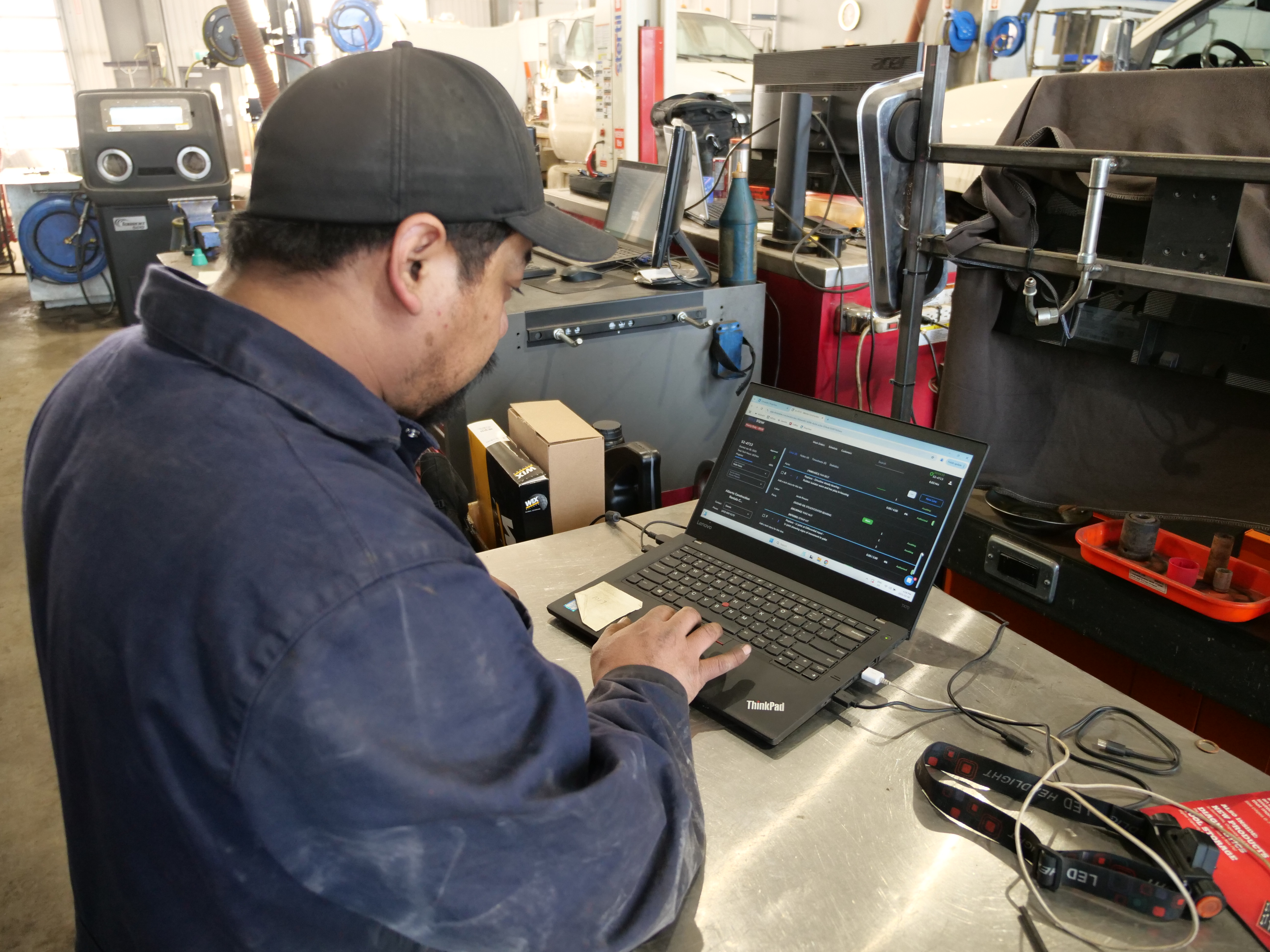
Modern shop management software likeShopView provides dashboards that aggregate data across all your shops. You see the whole business at a glance - without calling managers or chasing reports.
Standardize Processes Across Locations
Consistency builds trust - with customers and employees. Whether a fleet sends a truck to your north or south location, they should get the same experience.
What to Standardize:
- Pricing: Labor rates, parts markup, travel fees - consistent across shops.
- Work order workflows: How jobs are created, updated, and closed.
- Inspection checklists: Same thorough process at every location.
- Customer communication: Status updates, estimates, invoicing.
- Safety and compliance: OSHA, DOT, and shop policies.
Document your SOPs and enforce them through software. Digital workflows make it hard to skip steps or go rogue.
Unified Customer and Fleet Management
Fleet customers don't care which of your shops services their trucks - they care that you have their history, know their units, and bill correctly.
Multi-location software should:
- Share customer records across all shops.
- Track unit history regardless of which location did the work.
- Handle POs and billing preferences consistently.
- Roll up AR by customer across locations.
When a fleet manager calls, any shop should be able to pull their account instantly - no hunting, no "let me call you back."
Inventory Across Locations
Inventory management gets exponentially harder with multiple shops. Common problems:
- Duplicate stock: Overstocking at one location while another is short.
- Blind spots: Not knowing what's actually on the shelf.
- Transfer chaos: Moving parts between shops without tracking.
- Reorder confusion: Who orders what, and when?
Solutions:
- Unified inventory view: See stock levels across all locations in real time.
- Inter-shop transfers: Track parts moved between locations with full audit trail.
- Centralized reordering: Set min/max levels and reorder points by location.
- Shared vendor relationships: Leverage volume across shops for better pricing.
ShopView tracks inventory across all your locations - so you always know what you have and where it is.
Staffing and Workload Balancing
One location slammed, another slow? That's money walking out the door. Multi-location operators need to:
- See workload by shop in real time.
- Move techs between locations when demand shifts.
- Route customers to the shop that can serve them fastest.
- Track tech performance consistently across sites.
Cross-training techs and having flexible staffing policies helps you maximize utilization across the business - not just within one shop.
Unified Reporting and KPIs
You can't manage what you can't measure - and with multiple locations, you need both shop-level and enterprise-level views.
Key Multi-Location Metrics:
- Revenue by shop, by week/month.
- Gross margin by shop.
- Bay utilization by shop.
- Average repair order by shop.
- AR aging by shop and overall.
- Tech productivity by shop.
Compare locations to identify best practices, spot problems early, and hold managers accountable. The shops that win treat data as a daily management tool, not a quarterly report.
Communication and Culture
As you grow, culture can fragment. Each shop develops its own habits - some good, some not.
Keep Culture Consistent:
- Regular cross-location meetings - even if virtual.
- Shared recognition programs - celebrate wins across all shops.
- Consistent training - new hires at any location learn the same way.
- Clear values - documented and lived, not just posted on a wall.
Technology helps here too. When everyone uses the same system, they speak the same language and follow the same processes.
Technology as the Backbone
Multi-location management without purpose-built software is a constant struggle. You need a platform that:
- Supports multiple locations natively - not bolted on as an afterthought.
- Provides centralized dashboards with drill-down by shop.
- Shares customer and unit data across locations.
- Tracks inventory enterprise-wide.
- Standardizes workflows and reporting.
- Scales as you add more shops.
ShopView was built for growing heavy-duty operations. Whether you have 2 locations or 20, you get the visibility and control you need to scale without chaos.
Conclusion: Scale Smart
Growing a multi-location heavy-duty business is one of the most rewarding - and challenging - things you can do. The shops that succeed invest in systems, standardization, and technology before they're overwhelmed.
Don't wait until you're drowning in complexity. Build the foundation for scale now, and every new location becomes an asset instead of a headache.
👉Ready to scale without chaos?Book a free demo of ShopView and see how multi-location management should work.
Ready to transform your shop?
We've been in the heavy-duty truck repair business for 20+ years, so we know what slows shops down. That's why we built ShopView—to eliminate the bottlenecks.