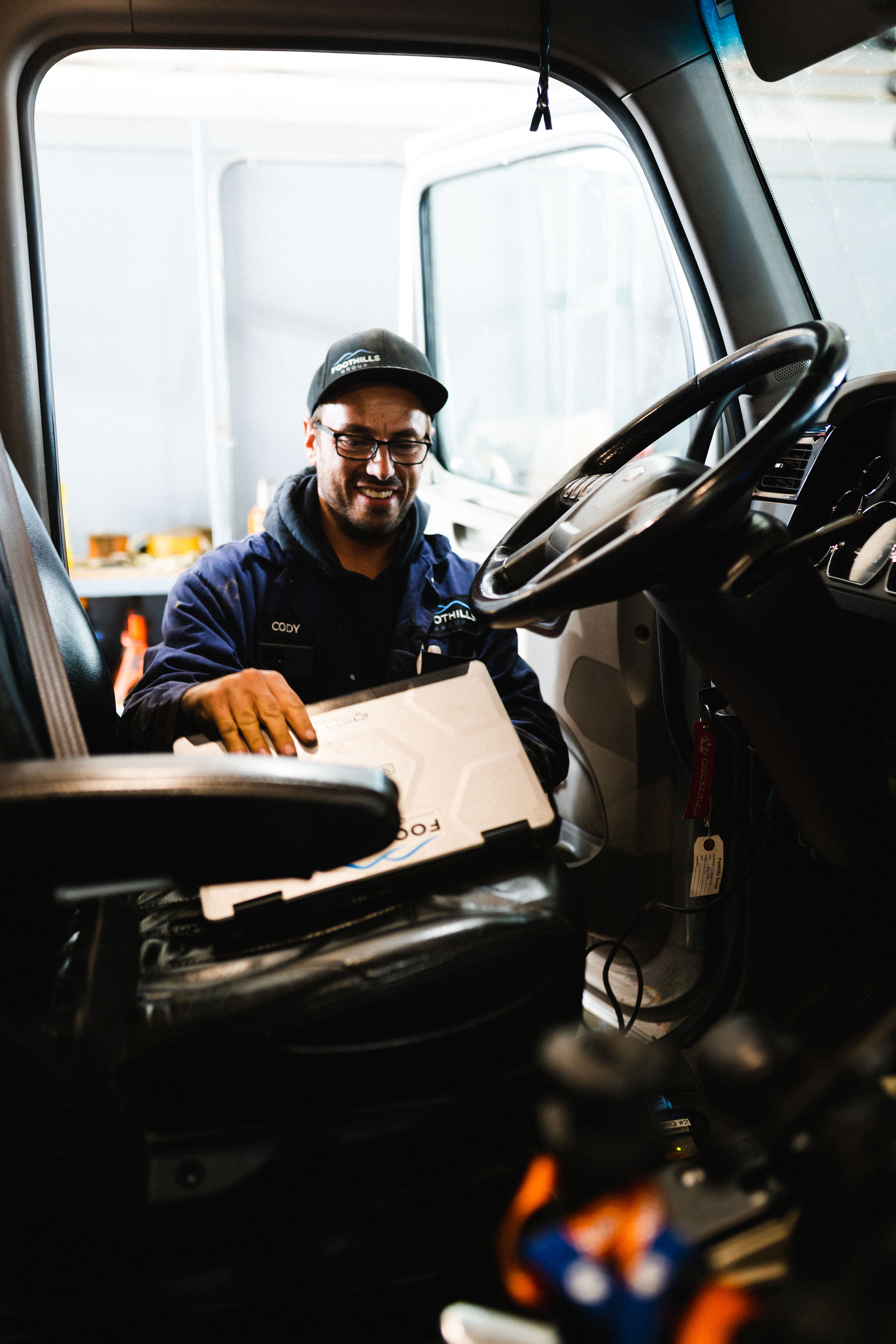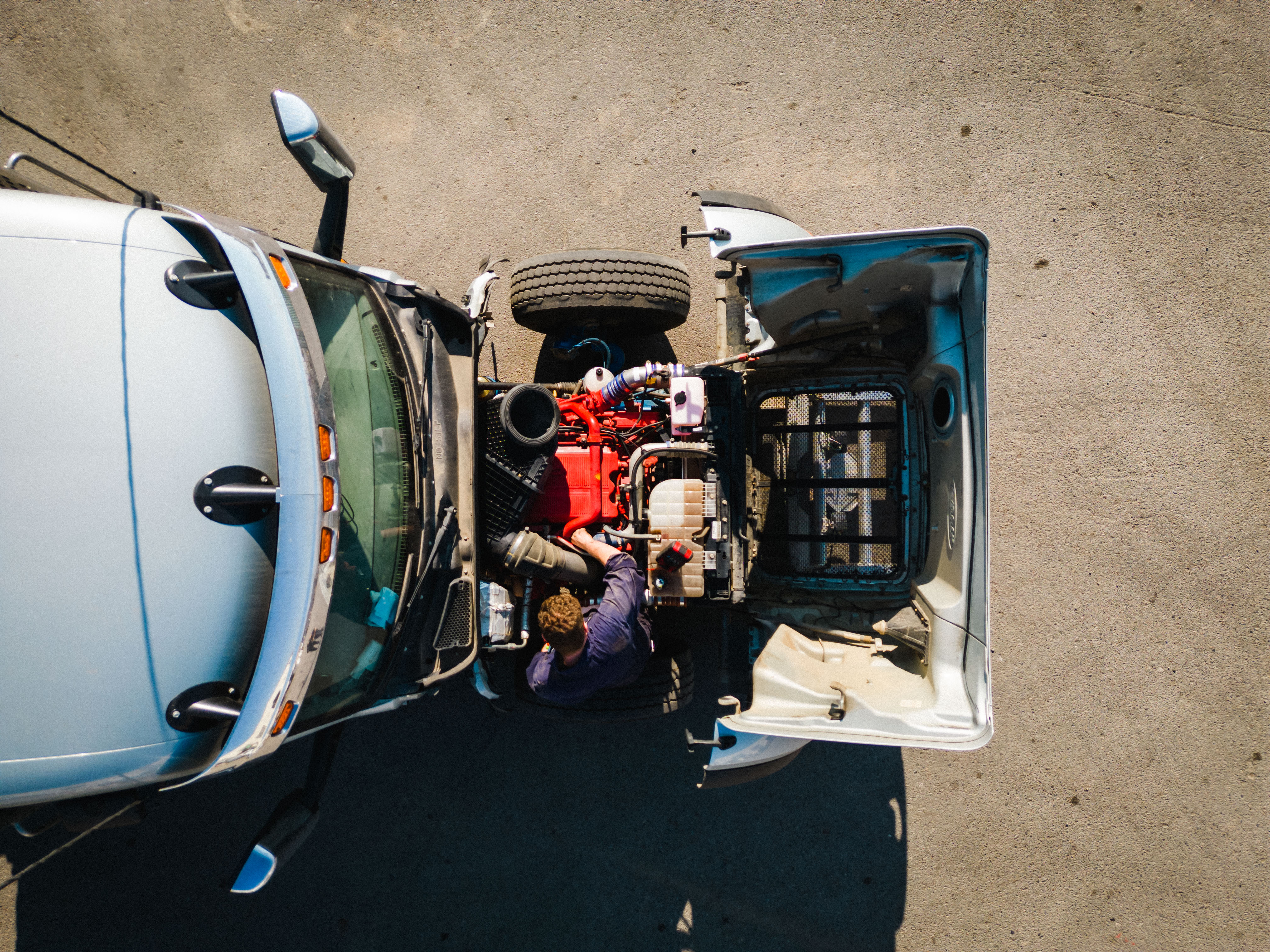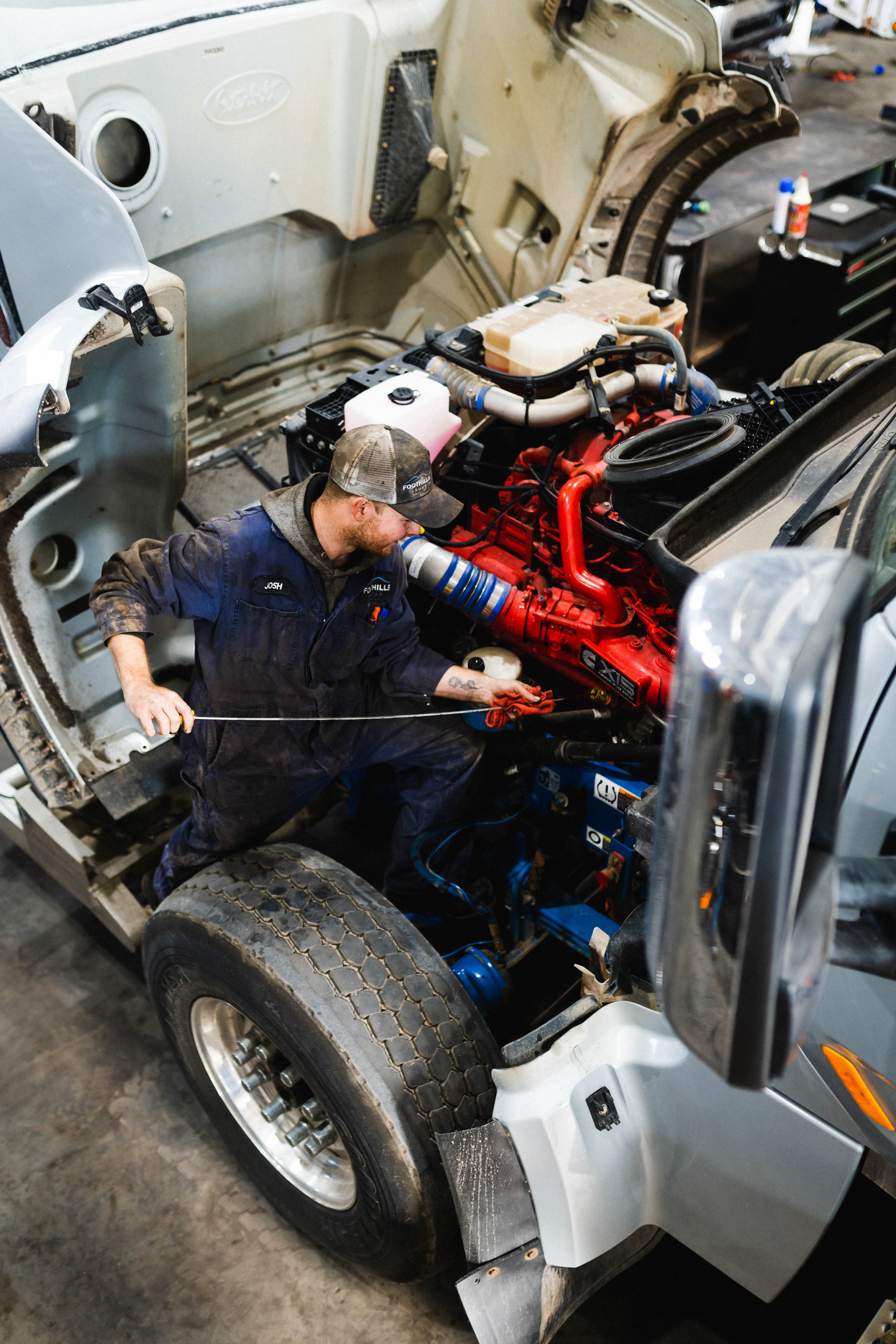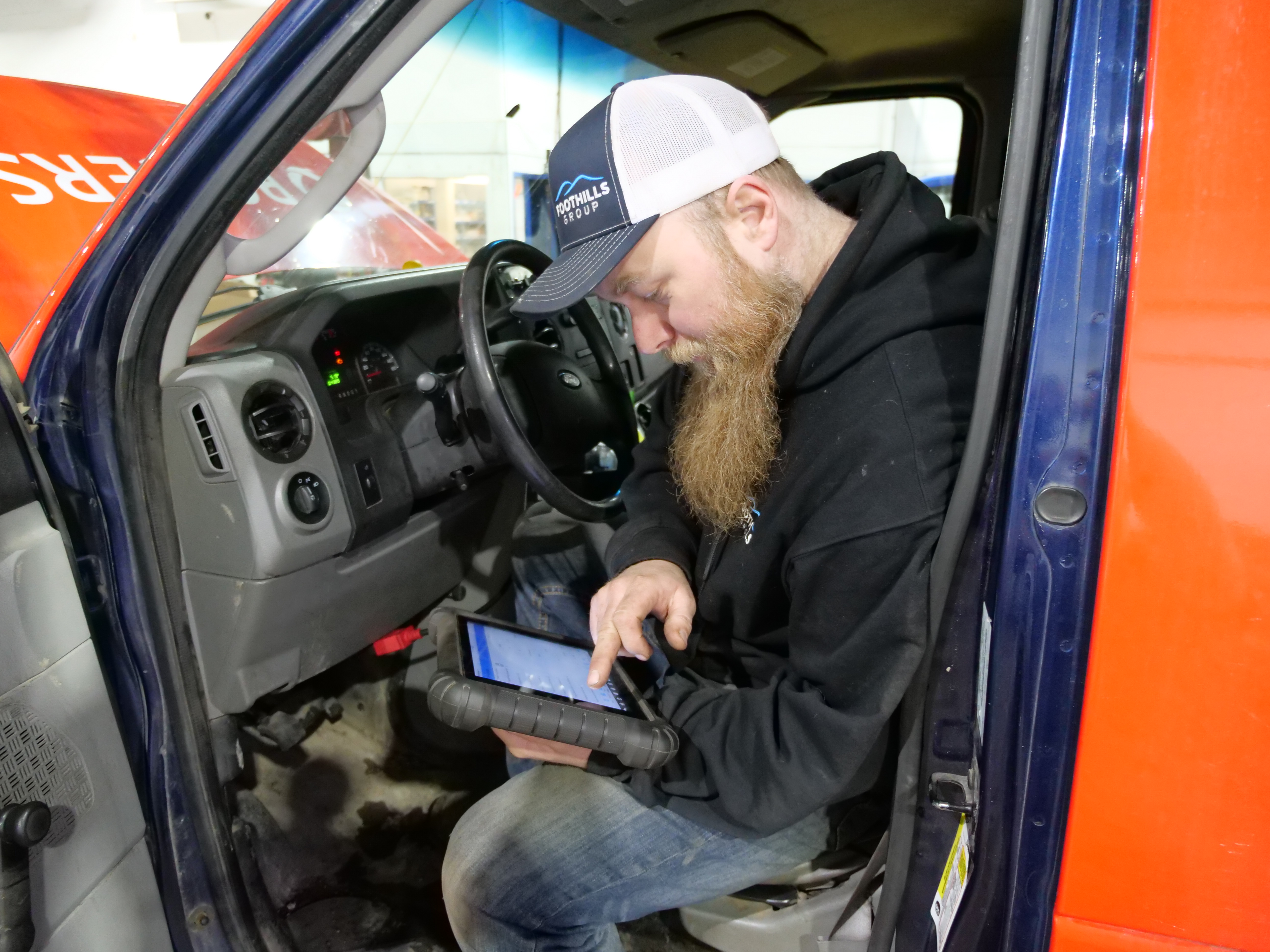
There's nothing worse than seeing a truck you just repaired roll back into your lot - this time on the back of a tow truck. Every tech dreads that moment: "Did I work on that one?" And then it hits - you did. That's acomeback, and it's one of the most frustrating, costly failures in a heavy-duty repair shop.
Comebacks aren't just an annoyance. They're agut-punch to your bottom line, your reputation, and your team's morale. The customer loses faith, you lose time and money, and your shop takes a hit. But the good news?Most comebacks are preventable.
The solution isn't flashy or complicated. It's simple:quality control checklists andpost-repair test drives.
Implementing astructured QC process- from a final checklist walkaround to a short, focused test drive - cancatch minor mistakes before they turn into major problems. Whether it's a loose hose clamp, a forgotten plug, or a bolt left hand-tight, checklists create accountability and consistency that memory and good intentions simply can't.
Why QC Checklists and Test Drives Matter
Afinal inspection checklist is your last line of defense. It's a straightforward, cost-effective way toverify every component was reinstalled, tightened, cleaned, and tested before the truck leaves. Without it, you're trusting memory-and in a busy shop, memory fades fast.
In industries like aviation, checklists are mandatory. Yet in the truck repair world, they're often underused - despite how many issues they could prevent.
Here's why final QC inspections and test drives are vital:
Catch minor mistakes that can lead to major repairs (loose plugs, hoses, or missed fasteners).
Verify repair effectiveness, ensuring the original issue is fixed - and nothing new was introduced.
Confirm roadworthiness under real-world conditions (no leaks, noises, warning lights).
Protect your shop's name by reducing avoidable customer complaints.
Save money and free up labor that would otherwise be spent redoing repairs for free.
As Rick White of 180BIZ put it,"One of the easiest ways to quality control a vehicle is to drive it."
Real-World Mistakes QC Checklists Prevent
Even the best technicians have off days. The job gets busy. The phone rings. Someone needs a hand. That's when steps get skipped. Here are common (and costly) comeback scenarios checklists would have caught:
1.The Loose Hose Clamp
A tech replaces a coolant hose but forgets to tighten the clamp. Five miles later -WHOOSH, coolant everywhere. Now the truck's overheating, and the customer's furious. A checklist item like"Verify hose clamps tight" prevents it.
2.Finger-Tight Drain Plug
The oil was changed, but the plug wasn't torqued. It vibrates out on the highway -bye-bye oil, hello seized engine. That's a five-figure problem caused by a $1 oversight. A final QC review would have flagged it.
3.Forgotten Fasteners
We've all seen it: a bolt mysteriously leftover on the bench. Brake calipers, yoke bolts, suspension parts - all critical fasteners. Miss one anda wheel could fly off at 60 MPH. A checklist makes you stop, torque, and verify.
4.Unplugged Sensors
Modern trucks are packed with sensors. Miss reconnecting one and you'll have a check engine light before the truck hits the street. QC checklists include"Verify all connectors seated and locked." No surprises for your customer.
5.Skipped Test Drive = Missed Diagnosis
You fixed the complaint - but didn't test drive it. Now the driver's back, still feeling that vibration.Was it part of the original issue? Or something new? No one knows. A pre- and post-repair test drive clears the confusion - and confirms the repair is solid.
Building Your Shop's QC Checklists
You don't need a 10-page manual for each job. Justsimple, job-specific checklists tailored to the repair type. Here are examples:
Brake Jobs
Caliper bolts torqued
Brake fluid bled, pedal firm
Wheel lugs torqued to spec
Road test: no pulling or noises
Engine Repairs
All fault codes cleared
Hoses/clamps secure
Connectors plugged in
Oil/coolant levels checked
Road test under load
DOT Inspections
Lighting, brakes, tires all verified
No leaks or cracked components
Paperwork filled and sticker applied
Double-check against DOT checklist
The key? Make theQC part of the workflow, not an afterthought. Many shops nowrequire checklist completion before the repair order can be closed.
Digital QC: Why It's a Game-Changer
Paper checklists work - but they're easy to skip, lose, or fudge. That's wheredigital QC systems likeShopView come in.
With platforms like ShopView:
Checklists are built into each job order
Techs must check off each item before closing the ticket
Photos, notes, and signatures are logged
Managers can track performance and flag training needs
This enforces consistency across teams - and across locations. Every truck gets the same final check, every time.No job leaves unfinished.
The ROI: Fewer Comebacks, More Profits
Here's what quality control gives you:
More jobs completed: Time isn't wasted on redo work.
Higher profit margins: Fewer parts and labor hours eaten.
Happier customers: Trust builds loyalty and referrals.
Stronger team accountability: Techs take pride in doing it right the first time.
Cleaner records and compliance: Great for audits, DOT reviews, and warranty claims.
Let's say your shop averages20 comebacks per month, and each one costs you $500 in parts, labor, and lost time. That's$10,000/month. Cut that in half with QC checklists, and you're saving$60,000/year -with better customer satisfaction to boot.
How to Get Started
Want to implement QC but don't know where to start? Here's a quick roadmap:
Pick Your Top 5 Jobs – Build a simple final QC checklist for each.
Train Your Techs – Show how checklists protect their work and reputation.
Make It Mandatory – No job closes without a signed checklist and a road test.
Review QC Weekly – Use it to identify trends, mistakes, and training opportunities.
Go Digital (Optional but Powerful) – Consider platforms like ShopView to automate and track QC at scale.
Conclusion: QC is Your Comeback Insurance
Every tech makes mistakes. The best shopscatch them before they leave the lot. Final inspections and test drives aren't busywork - they're your protection against lost time, unhappy customers, and blown margins.
By building QC into your daily workflow, you reduce stress, build trust, and boost profitability. It's not about bureaucracy - it's about buildinga culture of pride and precision.
So next time someone asks, "Do we really need a checklist for this job?" you can answer confidently:
Yes. We do it right the first time. That's who we are.
Ready to transform your shop?
We've been in the heavy-duty truck repair business for 20+ years, so we know what slows shops down. That's why we built ShopView—to eliminate the bottlenecks.