In the world of independent and mid-sized heavy-duty repair shops, safety isn't corporate fluff. It's the line between a thriving business and a catastrophe. When you're lifting 15,000-pound rigs, cracking hydraulic systems, or wrenching on air brakes, there's no room for shortcuts. This guide isn't about red tape - it's about what works. Grounded in OSHA and Canadian OHS standards and backed by real-world shop experience, these safety protocols can save lives and protect your bottom line.
Why Safety Isn't Optional - It's Smart Business
Think safety is just about keeping regulators happy? Think again. A serious injury or fatality in your shop doesn't just cost money - it disrupts operations, demoralizes your team, jacks up insurance premiums, and scars your reputation. On the flip side, a shop with rock-solid safety practices runs smoother, retains better techs, and attracts customers who value professionalism.
It's not just the right thing to do. It's a damn good investment.
When Cabs Go Up, Brains Should Be On
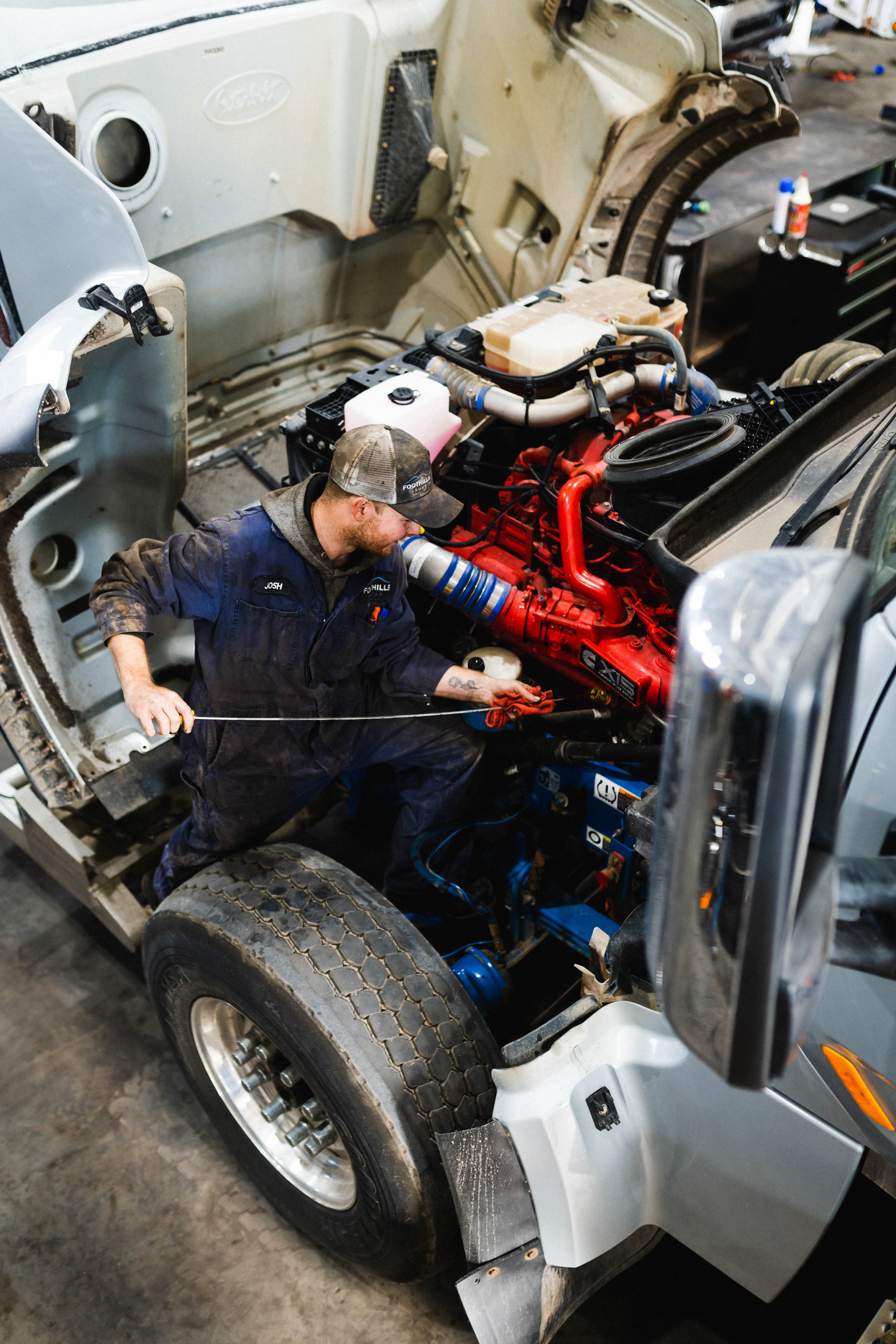
Lifting a truck cab might seem like a routine move, but if it's not properly secured, it can turn lethal. Many tilt cabs rely on hydraulics to stay open - but hydraulics can fail.
- - Engage the built-in locking prop or brace every time.
- - If the vehicle lacks one, use a custom-fabricated support or jacking post.
- - Always test for stability - if it shifts even slightly, reset and secure it properly.
It only takes a minute, and it might save a life.
Jacking Isn't Holding - Get Real Support
Ask any experienced mechanic: a jack is for lifting, not for holding. Yet too many shops skip the extra step of securing vehicles with jack stands or cribbing. OSHA regulations make it clear - any raised load must be blocked or supported at once.
At minimum:
- - Use jack stands rated for more than the vehicle's weight.
- - Place them on solid, level surfaces - use plates or blocks under them on asphalt or gravel
- - Use cribbing (stacked hardwood) when supporting heavy or awkward loads.
If your stands are rusty, mismatched, or not rated, replace them. Don't bet a worker's life on a $30 stand from 1998.
Lockout/Tagout Isn't Red Tape - It's Life Insurance
Working on any machine without isolating the energy source is asking for disaster. Whether it's a hydraulic cylinder, air system, or engine, the unexpected release of energy can be deadly.
Lockout/Tagout (LOTO) protocols exist for a reason:
- - Shut down and isolate all energy sources.
- - Lock out ignition and battery disconnects.
- - Depressurize air and hydraulic systems fully.
- - Tag the machine so no one fires it up accidentally.
OSHA mandates written LOTO procedures, and for good reason. LOTO isn't about bureaucracy - it's about making sure no one gets crushed, shocked, or sliced because someone flipped a switch too soon.
Hydraulics: High Pressure, High Stakes
Hydraulic systems are powerful - and dangerous. A pinhole leak can inject oil under your skin with enough pressure to cause amputations. A dropped loader arm can crush bones in seconds.
To work safely:
- - Always lower implements to the ground.
- - Bleed pressure by cycling controls or using designated release valves.
- - Never check for leaks with your hand - use cardboard or wood.
And remember: even when the engine's off, stored hydraulic energy can still pose a threat. Block raised parts. Use PPE. And treat every line as pressurized until proven otherwise.
Air Brakes: Don't Get Complacent
Air brakes store massive energy. If you skip the right steps, they can release with sudden and violent force. One of the most overlooked steps in a heavy shop? Chocking the wheels. Don't just trust the parking brake.
Before servicing air brakes:
- - Drain tanks and pump brakes until zero pressure.
- - Chock the wheels - always.
- - Cage spring brakes before disassembly.
Cheap rubber chocks or wooden blocks can be the difference between a safe shift and a tragedy.
PPE and Housekeeping: Low Cost, High Value
You don't need to look like RoboCop - but you do need to wear your gear. And keep your floor clean.
Every mechanic should have:
- - Safety glasses
- - Steel-toe boots
- - Task-appropriate gloves (cut-resistant, chemical-resistant, insulated, etc.)
- - Hearing protection
- - Respiratory protection when spraying or grinding
Also, keep floors dry, tools off the ground, and air hoses coiled. OSHA mandates clear walkways and clean work areas - not just to avoid fines, but to prevent slips, trips, and falls.
The ROI of Doing Safety Right
Safety might feel like a time-waster - but let's be honest. What takes longer: applying a lockout tag or dealing with a hospital visit, OSHA inspection, and six weeks of lost labor?
Data shows every dollar spent on safety yields $4–6 in return. Here's why:
- - Avoided injuries save $30,000–$60,000 in direct and indirect costs.
- - Insurance premiums drop with fewer claims.
- - Downtime decreases - injury-free bays stay open.
- - Employee morale and retention go up.
One mid-sized shop saved $100,000 in a year by implementing basic safety training and buying lift-assist equipment. That's not fluff - it's ROI in plain English.
How Software Like ShopView Keeps You Compliant
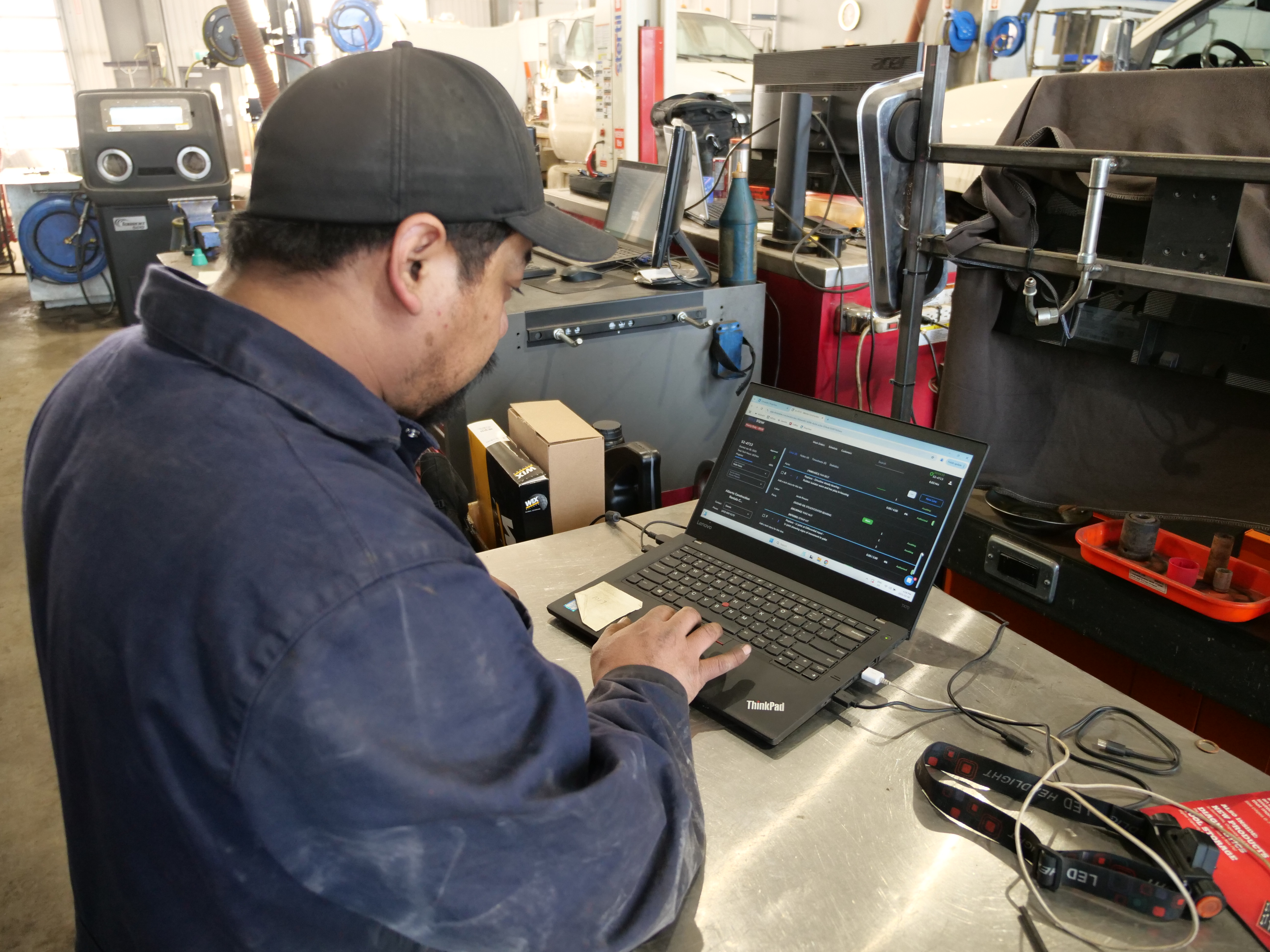
You can't manage what you can't track. Digital shop management tools like ShopView help you:
- - Schedule and log inspections
- - Track technician certifications
- - Document LOTO procedures
- - Record incidents and near misses
Ready to make safety part of your daily workflow? Book a demo of ShopView and see how digital tools keep your team safe and your shop compliant.
Ready to transform your shop?
We've been in the heavy-duty truck repair business for 20+ years, so we know what slows shops down. That's why we built ShopView—to eliminate the bottlenecks.