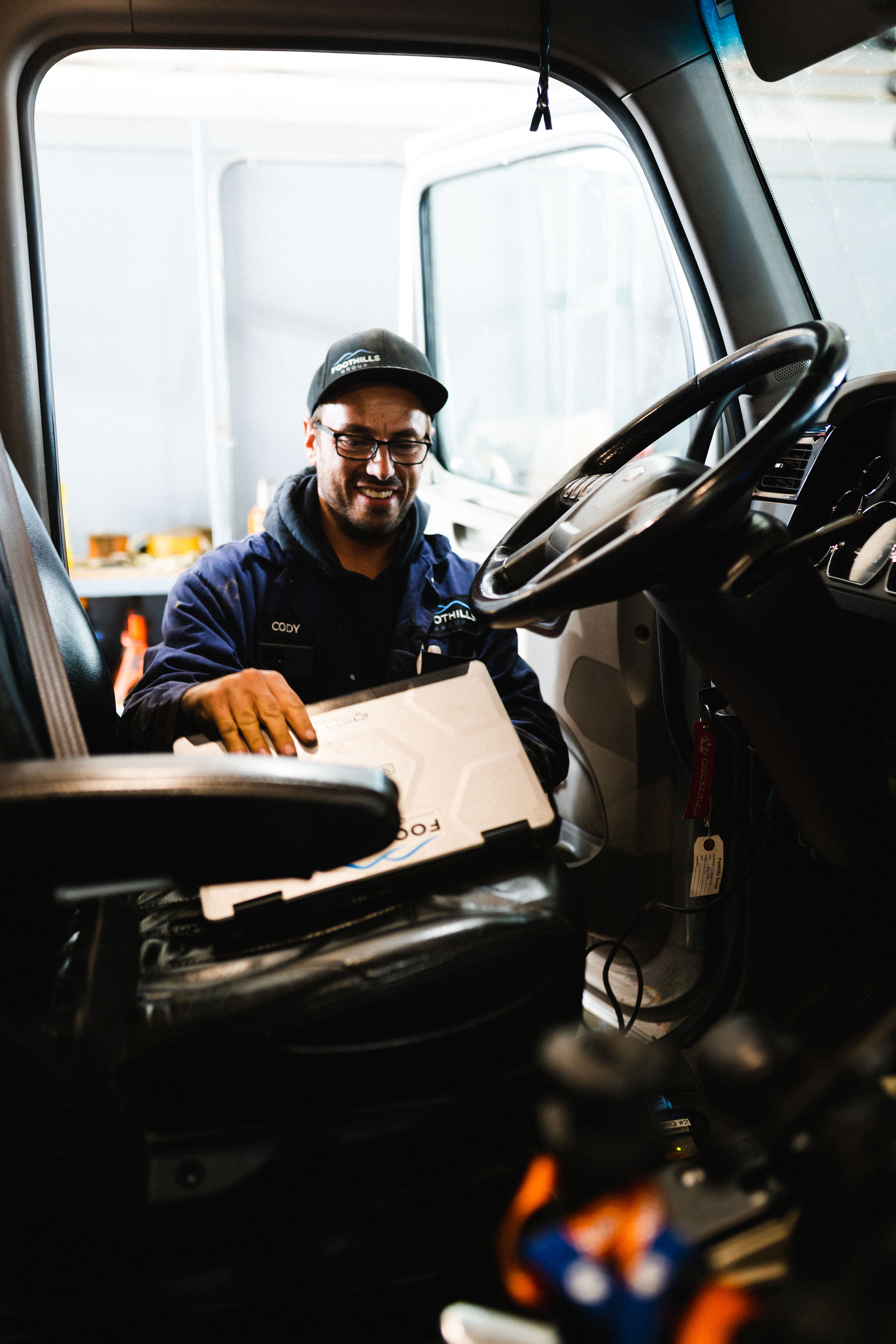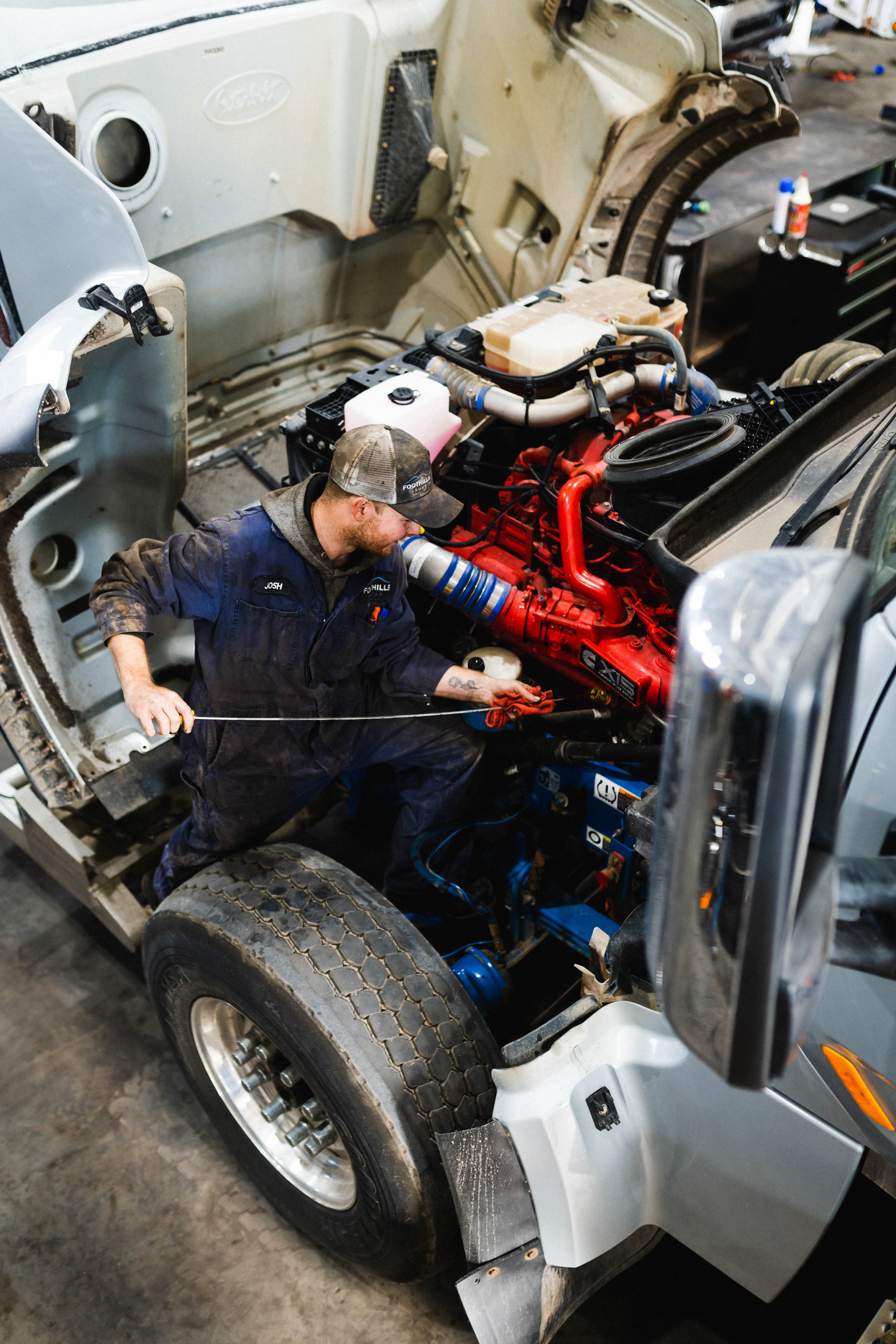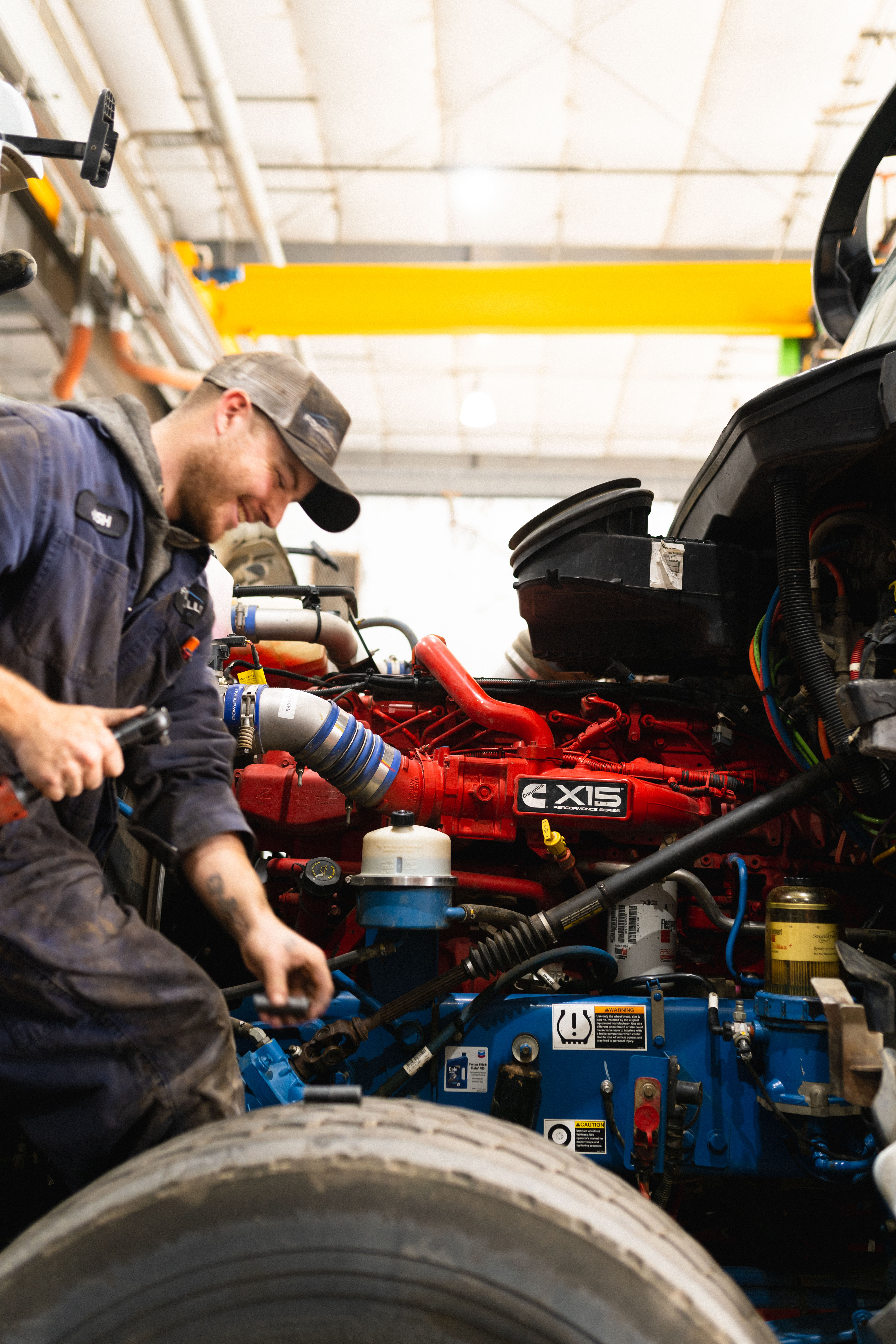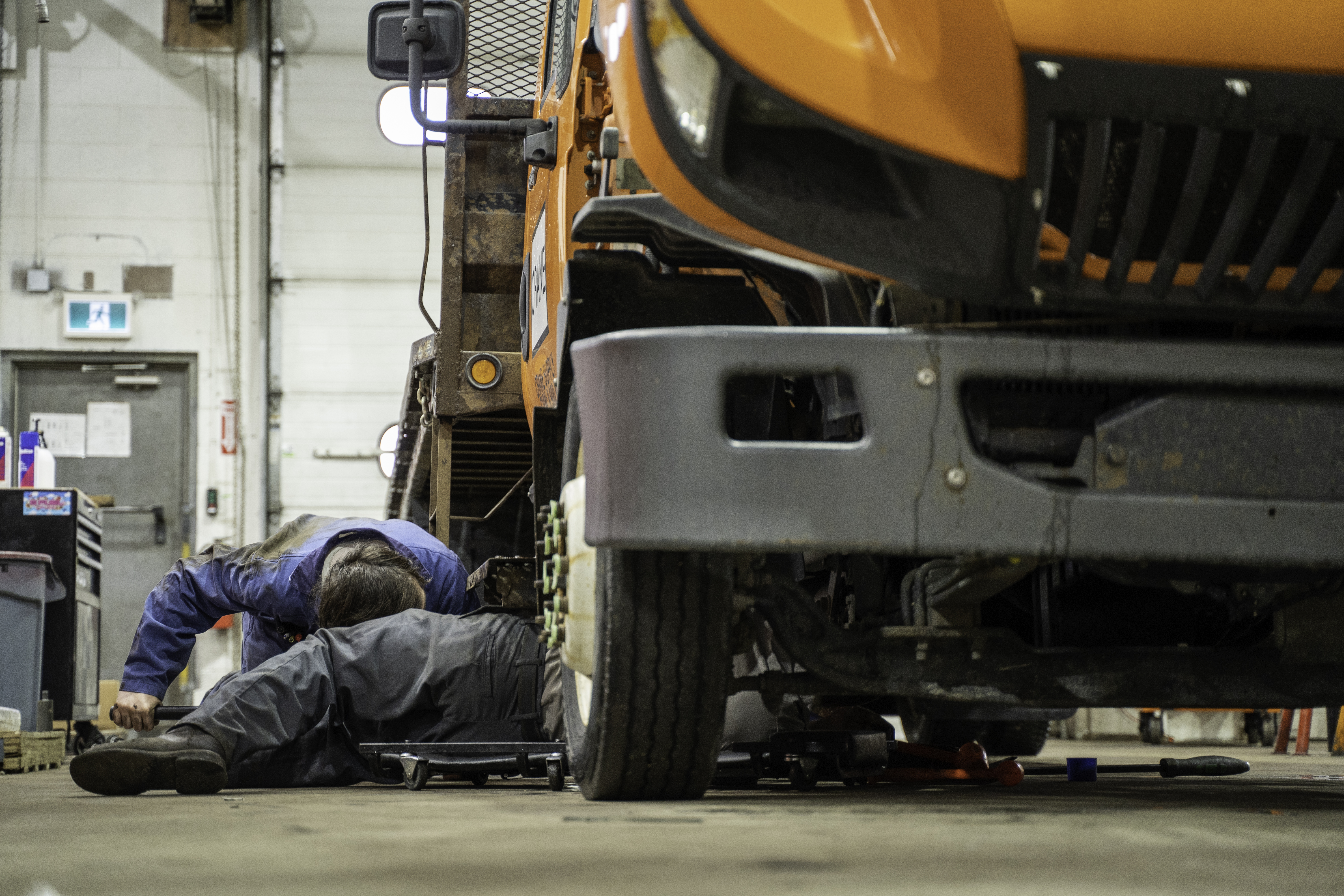
In the battle for repair dollars, independent heavy-duty shops are steadily outpacing dealership service centers - and it is not just about lower prices.
From faster turnarounds to personalized service and proven mechanical expertise, independent shops often deliver exactly what fleets want. But to truly capitalize on that shift, smart operators are turning to modern shop software to streamline operations, capture missed revenue, and gain a lasting edge.
Here is why the modern diesel repair shop is winning, where profit leaks happen, and how your business can turn performance into growth.
Independent Shops Are Winning More Business
Independent service centers are no longer seen as backup options. Many fleets and owner-operators actively prefer them over dealerships.
Why?
Better Value
Customers compare total cost, not just hourly labor rates. Dealership pricing is often significantly higher, which makes diesel repair costs a major decision factor for fleet managers and owner-operators.
Faster Turnaround
Smaller shops are often more agile and can prioritize urgent work faster.
Personal Relationships
Customers appreciate direct communication with decision-makers and technicians.
Specialized Expertise
Many independents focus deeply on certain engines, drivetrains, emissions systems, or older equipment platforms.
That combination gives the modern independent diesel shop a strong market position.
Where Diesel Repair Shops Lose Money
Even busy shops can underperform financially.
1. Unbilled Labor Time
Technicians start work before approvals are logged. Small tasks are forgotten. Time slips between jobs.
2. Parts Chaos
Incorrect orders, missing stock, rush freight, and weak markup discipline erode margins quickly.
3. Slow Approvals
When estimates sit waiting, bays sit idle.
4. Poor Scheduling
Jobs pile up while technicians wait on parts or information.
5. Weak Pricing Strategy
Many owners never review diesel repair shop rates, leaving margins below market.
Understand Your Pricing Before Customers Do
A profitable shop knows its numbers.
That includes:
- effective labor rate
- technician efficiency
- comeback rate
- average repair order value
- parts gross margin
- bay utilization
Without that visibility, pricing becomes guesswork.
For example, many shops underestimate the real heavy-duty truck repair shop cost of completing larger jobs once admin time, warranty risk, tooling, and technician downtime are included.
What Customers Actually Want
Most customers are not searching for the cheapest option. They are searching for confidence.
Clear Estimates
Explain what failed, what it costs, and why.
Fast Communication
No one wants to chase updates.
Reliable Repairs
Fix it right the first time.
Convenience
Pickup/drop-off, mobile diagnostics, and flexible scheduling matter.
This is one reason demand continues growing for on site diesel repair and mobile maintenance services.
Why On-Site Service Is Growing
Many fleets would rather keep a truck at their yard than send it across town for smaller repairs.
Common high-value on site diesel repair services include:
- battery and starting issues
- PM services
- diagnostic scans
- trailer lighting repairs
- brake adjustments
- no-start calls
- minor hydraulic or electrical repairs
Shops offering mobile service often build stronger long-term fleet relationships.
How Smart Diesel Businesses Increase Profit
Digitize Workflows
Replace paper estimates, whiteboards, and scattered notes.
Track Labor in Real Time
Capture every billable minute.
Tighten Parts Controls
Track usage, markup, and reorders.
Raise Rates Intentionally
Review local market pricing and true operating cost before adjusting diesel repair shop rates.
Build Fleet Relationships
Recurring fleet work creates more predictable income than one-off breakdowns.
That is how a growing diesel business becomes more stable and scalable.
What Great Shops Do Differently
High-performing repair shops usually:
- schedule work proactively
- communicate clearly
- bill quickly
- review margins monthly
- retain top technicians
- offer field support when needed
- use software to improve accountability
Using tools like ShopView can help bring those systems together in one platform.
Final Takeaway
Most diesel repair shops do not lose money because of lack of demand. They lose money through hidden inefficiencies.
Missed labor. Weak pricing. Slow approvals. Parts leakage. Poor scheduling.
Fix those issues, and the same customer volume can produce dramatically better results.
Whether you run a single-location diesel repair shop or a growing multi-bay diesel business, profit usually comes from systems - not just wrenching harder.
Ready to Run a More Profitable Shop?
See how ShopView helps diesel repair shops improve workflow, track labor, speed billing, and grow revenue with less chaos.
Ready to transform your shop?
We've been in the heavy-duty truck repair business for 20+ years, so we know what slows shops down. That's why we built ShopView—to eliminate the bottlenecks.