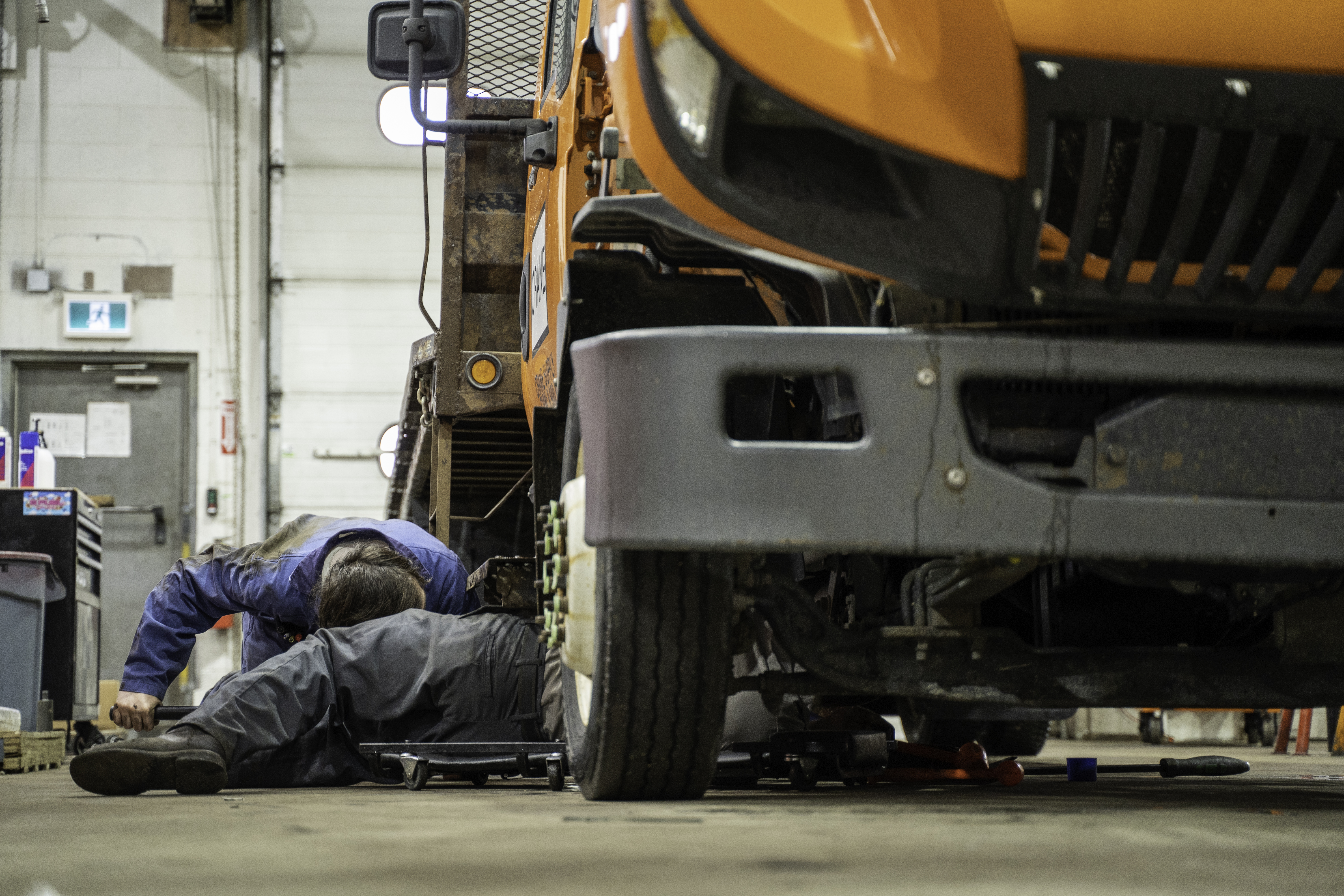
Yourdiesel shop is not just a bigger car garage. It runs multi-unit jobs (truck and trailer), requires DOT/DVIR compliance, IFTA fuel tax handling, serialized heavy parts, and fleet PMs. Diesel and auto repair software are not interchangeable. Car-shop tools assume single-vehicle jobs and basic parts. Heavy-duty platforms capture 100% of tech time, automate compliance, and speed estimate to invoice. Many shops see 20-25% revenue lifts within months after switching.
In short:
- Auto repair systems are built for single-vehicle, consumer jobs. Heavy-duty shops handle fleets, trailers, equipment, roadside calls, and multi-day jobs.
- Diesel-specific platforms support multi-unit work orders, DVIR/DOT workflows, fleet PM programs, serialized heavy parts and cores, and complete tech time capture.
- Shops that switch often report 1-2 more billable hours per tech per day, faster estimates and invoicing, fewer spreadsheets, and clearer fleet reporting.
Example: 2 extra billable hours per tech per day at $100/hour is about $4,400-$5,200 per month per tech, depending on working days.
Why Heavy-Duty Shops Are Different
Heavy-duty trucks and fleets bring challenges light-duty shops rarely face.
- Scale and complexity. Trucks, trailers, cranes, hydraulics, PTOs, and diesel aftertreatment systems.
- Fleet expectations. Scheduled PMs and deep history for each vehicle, trailer, and asset.
- Regulatory load. DOT inspections, DVIR defect logs, IFTA fuel-tax tracking, emissions requirements. Audits are real.
- Downtime costs. A downed truck can cost $450-$760 per day, often more in construction and agriculture. Every hour matters.
Running this with a whiteboard or generic auto software creates bottlenecks: manual DVIRs, ad hoc trailer logs, lost tech time, slow estimates, and delayed invoicing.
Where Auto Software Breaks in Diesel Shops
Standard auto-repair software is built for sedans and light trucks: single-vehicle ROs, basic parts lookup, simple scheduling, canned reminders, oil changes, brakes, drivability fixes.
The diesel reality:
- One-VIN limit. No clean way to group trucks, trailers, and attachments on a single job and invoice.
- No compliance layer. Missing DVIR/DOT workflows and IFTA handling.
- Parts mismatch. Inventory built for pads and blades, not serialized components worth $2,000 or more and their cores.
- Weak field support. Limited mobile tools for roadside service and split shifts.
- Time capture gaps. Payroll hours and billed RO hours do not match, so billable minutes leak.
Result: slow invoicing, unbilled labor, spreadsheet workarounds, and margin slippage.
What Heavy-Duty Software Does That Auto Tools Cannot
A diesel platform is built for trucks, trailers, buses, and equipment.
- Multi-unit work orders. Build a single job for tractor, trailers, and attachments. Bill each unit correctly with one-click multi-unit invoicing.
- DVIR and DOT compliance. Built-in inspections and defect tracking. Attach DVIRs to ROs, flag pending DOT inspections, and apply IFTA and fuel taxes when needed.
- Serialized heavy parts. Track cores, warranties, and serials across locations such as shop, service trucks, and vendors.
- Complete technician time tracking. Digital time clocks per task. Managers see wrench time versus idle in real time.
- Advanced scheduling and dispatch. Assign by bay, skill, and certification. Plan multi-day jobs. Automate PM reminders.
- Mobile and field ready. Tablets and phones for history, photos, VIN scans, clocking in and out, and roadside approvals.
- Fleet-grade reporting. Uptime and downtime by unit, PM compliance, labor efficiency, and profitability by fleet account.
Impact you feel quickly: estimates in minutes, instant invoicing, and clear visibility into parts and labor without the spreadsheet overhead.
Auto vs Diesel Software: Quick Comparison
| Feature | Auto Repair Software | Diesel/Heavy-Duty Software |
|---|---|---|
| Multi-unit billing | No, single vehicle per RO | Yes — truck plus trailer and attachments on one job |
| DVIR and DOT forms | No or manual | Yes — built-in DVIR and DOT workflows |
| IFTA and fuel tax | Not supported | Yes — fees and reporting handled |
| Parts inventory | Basic | Serialized, cores, warranties, multi-site |
| Tech time tracking | Basic clock-in | Per-task capture, idle flagged |
| Fleet PM scheduling | Rare | PM programs and reminders |
| Field and mobile support | Limited | Full mobile for roadside and yard |
| Reporting | Sales and basic ops | Uptime, PM, labor efficiency, fleet profitability |
| Integrations | Common tools | Telematics, vendor catalogs, open API |
The Cost of Using the Wrong Tool
- Lost labor. 20 minutes per day of untracked time per tech is about $50,000 per year lost per technician.
- Hidden inefficiencies. Many shops lose $5,000-$15,000 per month through delayed invoicing, unbilled tasks, and admin overhead.
- Ghost inventory. Missing or duplicate parts trigger rush orders and erode margins.
What to Look For in Heavy-Duty Shop Software
When evaluating diesel-specific platforms, prioritize:
- Multi-unit work orders that handle truck + trailer combinations
- Built-in DVIR/DOT compliance workflows
- IFTA and fuel tax tracking
- Serialized parts and core management
- Per-task time tracking for accurate billing
- Telematics integration (Samsara, Geotab, Motive)
- Mobile-first field tools
- Fleet-grade reporting
Conclusion: The Right Tool for the Job
Auto repair software was built for a different world. Heavy-duty shops need platforms designed for the complexity of trucks, trailers, fleets, and compliance.
ShopView is purpose-built for diesel, truck, fleet, trailer, and equipment repair. It captures every billable hour, automates compliance, and gives you visibility across bays and locations.
Book a free demo to see how ShopView can transform your shop's operations and profitability.
Ready to transform your shop?
We've been in the heavy-duty truck repair business for 20+ years, so we know what slows shops down. That's why we built ShopView—to eliminate the bottlenecks.
.jpg)