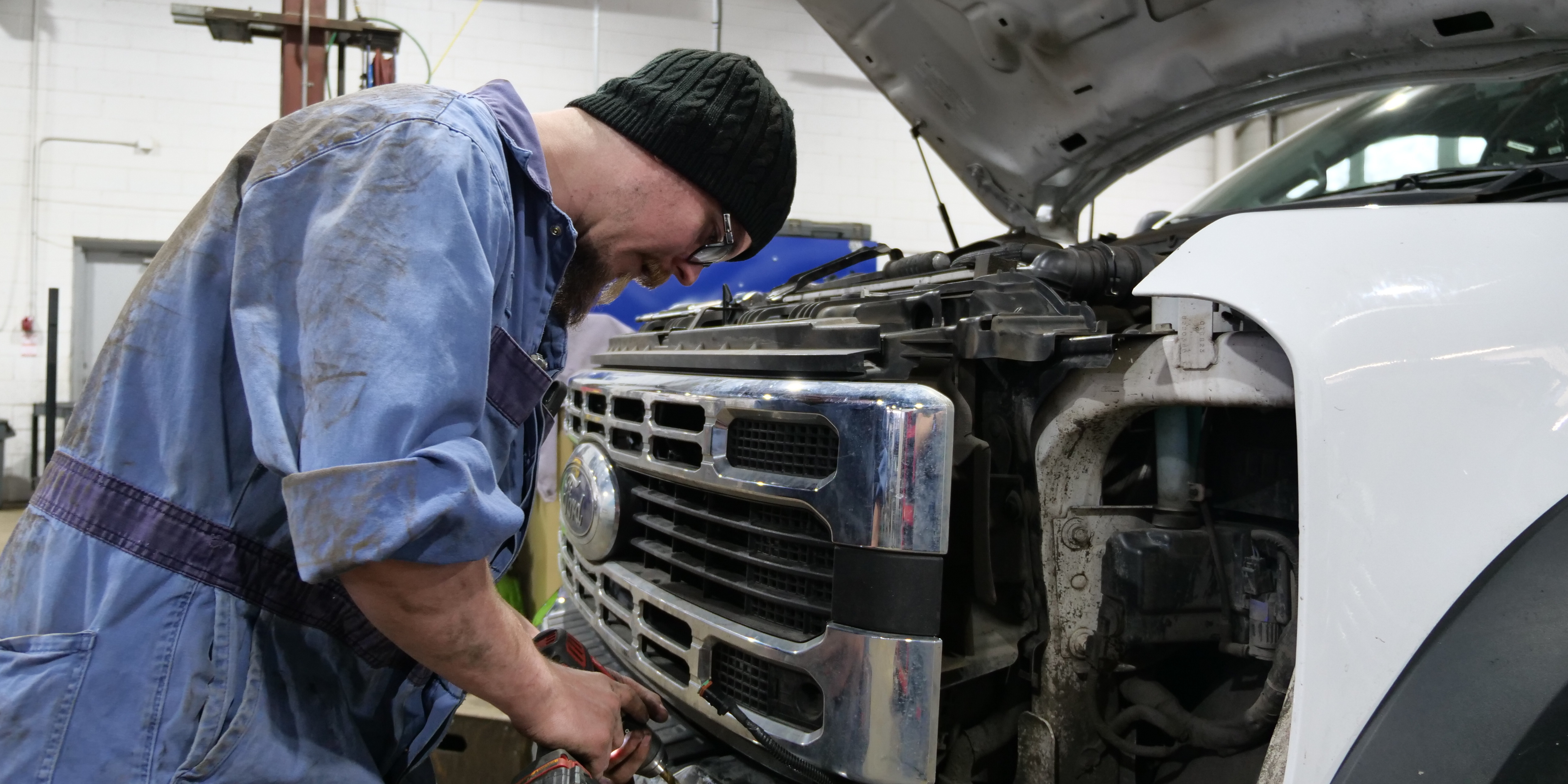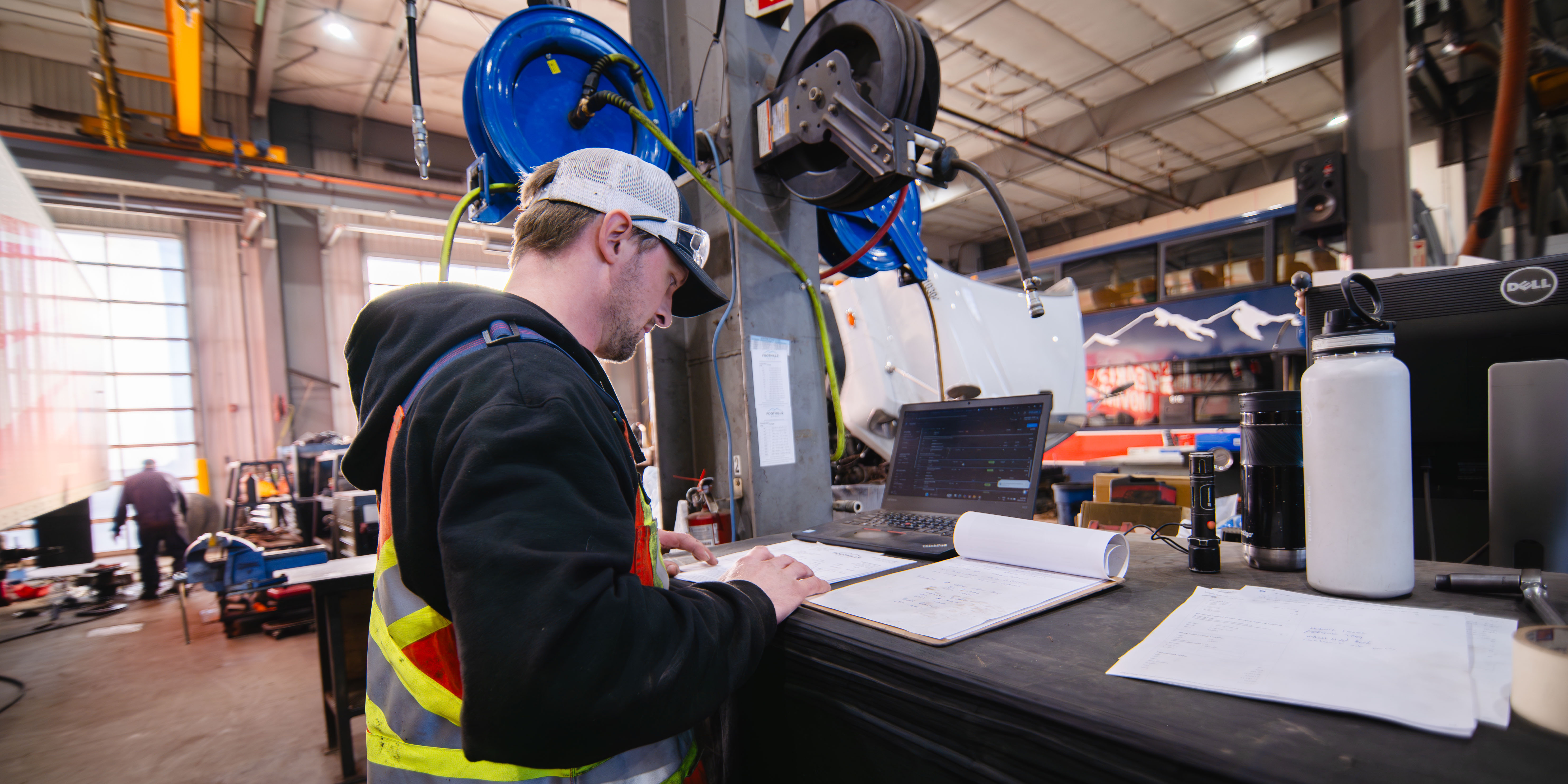
Managing a heavy-duty repair shop is fundamentally different from managing a passenger vehicle repair business. Commercial repairs are longer, involve multiple technicians, require more detailed parts tracking, and often serve fleet customers who expect consistent communication and fast turnaround.
As repair businesses expand into multiple locations, those challenges multiply. Processes that work for a single shop can quickly become difficult to standardize across an organization.
That's why enterprise heavy-duty repair operations need more than basic shop management software. They need a platform that connects technicians, service advisors, parts departments, and management through a single workflow while giving leadership visibility across every location.
Rather than comparing feature checklists, enterprise buyers should evaluate whether software supports the way commercial repair businesses actually operate.
Enterprise Software Is About Operational Control
Many software vendors advertise enterprise capabilities, but enterprise isn't simply another word for "large."
For heavy-duty repair organizations, enterprise software creates consistency across locations while allowing each shop to execute daily work efficiently. Managers need reliable reporting, but those reports are only valuable if every technician, advisor, and parts employee follows the same connected process.
That means enterprise software should support:
- Standardized repair workflows
- Consistent technician time tracking
- Centralized reporting
- Multi-location visibility
- Inventory governance
- Secure user permissions
Without consistent adoption at the shop level, even the most advanced reporting becomes unreliable.
Why Heavy-Duty Repair Has Different Requirements
Many heavy-duty repair businesses also maintain documentation that supports FMCSA inspection, repair, and maintenance requirements for commercial vehicles.
Commercial repair shops regularly handle:
- Multi-day repairs
- Multiple technicians working on the same job
- Engine-hour tracking
- Fleet customer billing
- Large parts inventories
- Complex diagnostics
- Equipment identified by serial number instead of VINs
These workflows create operational complexity that general repair software may not fully address.
Instead of asking whether software includes a specific feature, buyers should ask whether it supports these real-world commercial repair processes from intake through invoicing.
Five Capabilities Enterprise Buyers Should Prioritize
1. Connected Work Orders
The work order should act as the operational record for every repair.
Instead of storing information across disconnected systems, technicians, service advisors, managers, and parts staff should all work from the same record throughout the repair lifecycle.
An effective work order should connect:
- Customer information
- Technician labor
- Parts usage
- Photos and notes
- Repair approvals
- Final invoicing
- Service history
When information stays connected, teams spend less time searching for updates and more time completing repairs.
2. Multi-Location Visibility
Growth creates new challenges.
Each location may have different technicians, inventory levels, tax rules, or pricing structures, but leadership still needs a centralized view of operations.
Enterprise software should allow organizations to:
- Monitor shop performance across locations
- Compare technician productivity
- Transfer inventory between facilities
- Standardize operating procedures
- View reporting at both company and location levels
The goal isn't to make every location identical; it's to maintain consistent operational standards while giving local teams flexibility where appropriate.
3. Technician-Friendly Time Tracking
Labor is one of the largest drivers of profitability in heavy-duty repair.
If technicians forget to clock in, switch jobs without recording time, or complete work outside the system, reporting becomes inaccurate.
Enterprise software should make time tracking simple enough that technicians actually use it.
Reliable labor data helps managers understand:
- Technician productivity
- Labor utilization
- Actual versus billed hours
- Shop capacity
- Repair profitability
Better reporting starts with better data collection, not more dashboards.
Industry maintenance leaders also emphasize tracking meaningful maintenance performance indicators instead of relying on isolated metrics.
4. Inventory Management That Supports Operations
Heavy-duty repair businesses often carry significant parts inventory across multiple locations.
Without centralized inventory management, shops may over-order, experience stock shortages, or lose visibility into where parts are available.
Enterprise platforms should connect inventory directly to repair workflows by allowing teams to:
- Track stock levels in real time
- Attach parts to work orders
- Monitor inventory usage
- Transfer inventory between locations
- Report on parts costs and margins
When inventory and repair operations remain connected, purchasing decisions become more informed and technicians spend less time waiting for parts.
5. Reporting That Drives Decisions
Enterprise reporting shouldn't overwhelm managers with data.
Instead, it should answer practical operational questions, including:
- Which locations are most productive?
- Which technicians generate the highest labor efficiency?
- How long do repairs remain open?
- Which services produce the highest margins?
- Where are workflow bottlenecks occurring?
The value of reporting depends entirely on the quality of information being entered throughout the repair process.
If technicians, advisors, and parts teams all follow standardized workflows, leadership gains a much clearer picture of business performance.
Choosing Software Beyond the Feature List
Many software evaluations focus on comparing long lists of features.
While features matter, they don't necessarily indicate whether a platform supports enterprise operations.
A better evaluation focuses on workflow.
During product demonstrations, buyers should ask vendors to complete realistic repair scenarios rather than simply showing menus or dashboards.
For example:
- Can multiple technicians work on the same repair order?
- How does an inspection become a repair recommendation?
- Can inventory transfer between locations?
- What happens when repairs span several days?
- How are technician hours connected to billing?
- Can managers compare performance across locations?
Watching these workflows provides a much better understanding of day-to-day usability than reviewing a feature checklist.
Adoption Determines Success
Even the most capable software platform cannot improve operations if employees avoid using it.
Enterprise success depends on adoption.
Technicians need straightforward mobile workflows.
Service advisors need fast estimate creation and approval processes.
Parts teams need inventory tools that fit existing operations.
Managers need reporting built from complete and consistent shop data.
When each department works within the same system, organizations reduce duplicate data entry, improve communication, and gain more reliable operational insights.
Technology succeeds when it fits existing repair workflows instead of forcing employees to create workarounds.
Final Thoughts
Enterprise heavy-duty repair software should do more than digitize paperwork.
It should connect every stage of the repair process, from vehicle intake to technician labor, inventory management, inspections, approvals, invoicing, and reporting, into one consistent workflow.
For organizations operating multiple locations or planning future growth, choosing software based solely on feature lists can overlook the factors that matter most.
Instead, evaluate how well each platform supports commercial repair operations, encourages employee adoption, and provides leadership with accurate operational visibility.
The right system isn't simply the one with the most features. It's the one that helps every location work the same way, produces trustworthy reporting, and gives managers the information they need to improve performance over time.
Ready to transform your shop?
We've been in the heavy-duty truck repair business for 20+ years, so we know what slows shops down. That's why we built ShopView—to eliminate the bottlenecks.